Rodent Control Services in Bangalore
Safe • Effective • Baiting, Trapping & Entry-Point Sealing for Homes & Businesses
Trusted Since 2007
Government Licensed & Experienced Technicians
Safe • Effective • Baiting, Trapping & Entry-Point Sealing for Homes & Businesses
Trusted Since 2007
Government Licensed & Experienced Technicians
Rodents such as rats and mice are dangerous pests that can damage property, contaminate food, spread diseases, and create severely unhygienic living conditions. Rodents are commonly found in homes, kitchens, restaurants, warehouses, offices, factories, hospitals, apartments, and commercial spaces where food, water, and shelter are easily available.
Rats and mice can chew through electrical wires, furniture, wooden structures, pipes, packaging materials, and stored products, leading to costly damage and fire hazards. They are also known carriers of harmful diseases that may spread through their urine, droppings, saliva, and contaminated surfaces — posing serious health risks to your family and employees. See our full breakdown of whether rodents are actually dangerous — the diseases, allergies and contamination risks involved, and what to do about them.
At Standard Pest Control, we provide professional Rodent Control Services in Bangalore using advanced pest management techniques to effectively control and eliminate rats and mice from residential and commercial properties.
Our Rodent Pest Control Service includes detailed inspection, identification of rodent entry points, placement of rodent bait stations, glue traps, mechanical traps, and targeted treatment methods to ensure long-lasting rodent protection. We also identify areas where rodents breed and hide — false ceilings, drainage lines, kitchens, storage rooms, wall gaps, and warehouses — and seal these entry points to prevent re-infestation.
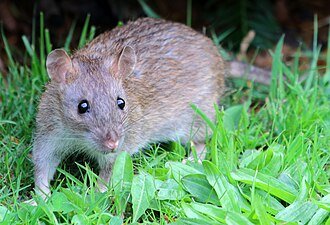
Bangalore properties most commonly deal with three rodents — the House Mouse indoors, the agile Roof Rat in ceilings and trees, and the large, burrowing Bandicoot Rat outdoors near drains and construction sites.
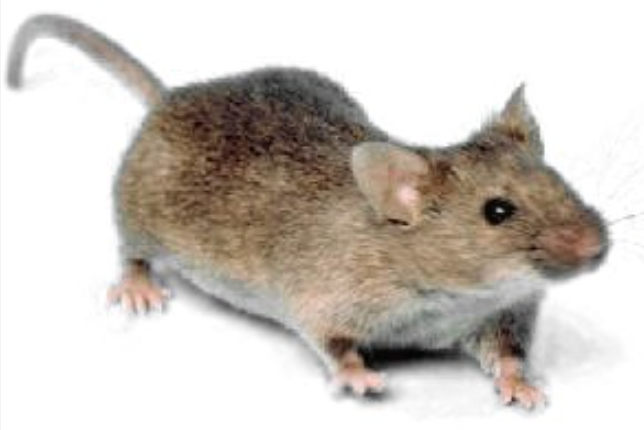
Mus musculus
Body 7–9 cm
Kitchens, pantries, wall voids, cupboards, storage rooms
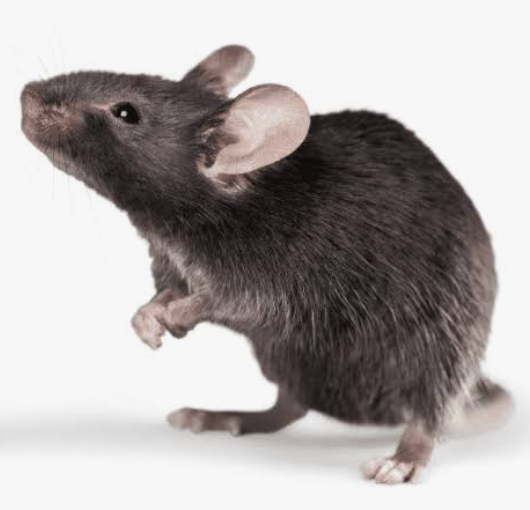
Rattus rattus
Body 16–20 cm
False ceilings, attics, roof voids, trees, upper structures
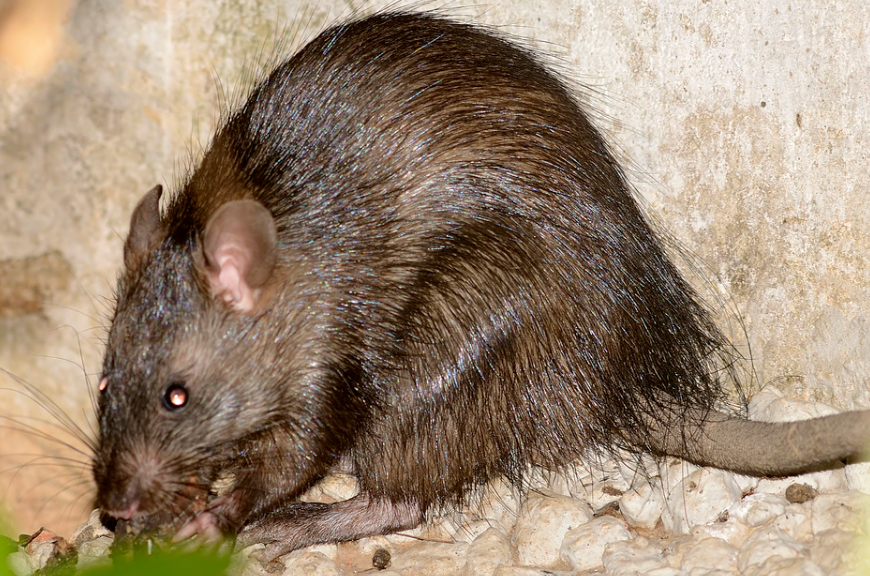
Bandicota bengalensis
Body 20–30 cm
Gardens, drains, burrows, construction sites, ground floors
Read our detailed guide on signs of rodent infestation for a full breakdown of droppings, gnaw marks, and nighttime sounds to watch for, or see rats vs. mice: key identification differences to know exactly which rodent you're dealing with. If you're considering handling it yourself first, see our guide on DIY rodent control using traps, baits and repellents to understand what works, common mistakes, and when it's time to call in a professional. Rodent activity doesn't pause outdoors in warmer months either — see rodents in summer: outdoor activity and breeding for how gardens, drains and garbage areas can drive infestations even before rats reach your kitchen, or rodents in spring: emerging from winter hiding spots to understand where they were hiding all along, and winter rodent invasions for why cooler weather drives them indoors in the first place. If you've already found droppings, see our guide on how to safely clean up rodent droppings and urine before reaching for a broom or vacuum, and rodents and food contamination for what to do with pantry food that may have been exposed. If the stress of an ongoing infestation is weighing on you, see our piece on the psychological impact of rodents and how a clear treatment plan helps restore peace of mind. Repeated scratching near your ceiling wiring is also worth investigating — see rodents and electrical fires for the danger chewed cables can pose. Before your technician arrives, our rodent treatment preparation checklist covers exactly what to do beforehand, and our guide on what to expect during a professional rodent extermination service walks through the full inspection-to-follow-up process. As colder weather approaches, see our guide on fall rodent control: preparing your home for colder weather for a seasonal prevention checklist.
Small dark droppings near food, in cupboards, under sinks, or along walls are the most obvious sign of active rodent infestation. Fresh droppings are moist and dark; older droppings are dry and grey.
Scratching sounds in walls, ceilings, or under floors at night indicate active rodent movement. Gnaw marks on food packaging, furniture, wires, and pipes are another clear indicator.
Rats follow the same routes repeatedly, leaving dark greasy smear marks along walls, skirting boards, and pipes. These rub marks come from the oil and dirt on their fur.
Rodents build nests from shredded paper, fabric, and insulation in hidden areas like false ceilings, storage rooms, and under appliances. Outdoor burrows in garden soil are also common.
Not sure how severe the infestation is? Get a free inspection and a tailored treatment recommendation from our certified technicians.
Rats are generally larger and heavier than mice, with proportionally smaller ears and thicker tails. Mice are smaller, usually have larger ears relative to their heads, and have more delicate bodies.
Common signs include droppings, gnaw marks, scratching sounds, damaged food packets, greasy rub marks, nesting material, burrows, and actual sightings.
Rodents can pose health and hygiene risks by contaminating food and surfaces and by carrying pathogens, parasites, or disease-causing organisms. The exact diseases associated with rodents vary by region and species.
A house mouse can sometimes squeeze through an opening of about 6 mm (¼ inch), depending on the shape of the opening and the size of the mouse.
Rats generally need a larger opening, commonly around 12–13 mm (½ inch) or more, although younger rats may exploit somewhat smaller gaps.
A roof rat is a slender, agile rat that often prefers higher locations such as roofs, attics, false ceilings, trees, and upper structural areas.
The Norway rat is a larger, heavier rat commonly associated with ground level, burrows, drains, sewers, basements, and garbage areas.
Yes. Cleanliness helps reduce food availability, but rodents may still enter a clean property if they find shelter, water, or accessible entry points.
A standard rodent control service takes 1–2 hours. Bait stations are monitored over 2–4 weeks to ensure complete elimination. For heavy infestations, multiple visits may be required for thorough control.
Rodents can re-enter if entry points are not sealed. We inspect and recommend sealing gaps in walls, pipes, drainage lines, and doors as part of our service to prevent re-infestation after treatment.
The most effective pest control for rats in Bangalore combines rodent bait stations with tamper-resistant poison blocks, glue traps in active runways, and mechanical snap traps near burrows. Entry-point sealing is equally important to prevent re-infestation. Standard Pest Control uses a multi-method approach tailored to the severity of the rat infestation and property type.
The best bait depends on the species and local food competition. Common attractants include peanut butter, nuts, grains, chocolate, or nesting material, but trap placement is often more important than the bait itself.
We use tamper-resistant bait stations, glue traps and mechanical snap traps, combined with entry-point sealing (exclusion) to prevent both current infestations and future re-entry.
Typically both — bait stations for ongoing colony reduction and traps for faster removal in active areas — selected based on the inspection findings and property type.
This depends on property size and the level of activity found during inspection; our technician places stations at key runways, entry points and harbourage areas rather than a fixed number.
Yes. We identify and recommend sealing gaps in walls, pipes, drainage lines and doors as part of the service, since unsealed entry points are the most common cause of re-infestation.
Our technician checks for droppings, gnaw marks, grease trails, nesting material and active burrows to identify species, entry points and infestation severity before recommending a treatment plan.
Yes. Our bait stations are tamper-resistant, locked boxes that rodents can access but children and pets cannot. They are placed in strategic locations such as under cabinets, behind appliances, and along wall edges — unlike loose DIY poison, which carries real secondary poisoning risks for pets and wildlife.
Rodenticides can create risks such as accidental exposure, secondary poisoning of pets or wildlife, and dead rodents in inaccessible spaces. They should be used only according to the product label and in appropriate situations.
Avoid dry sweeping or vacuuming fresh droppings. Wear gloves, ventilate the area, wet the droppings with an appropriate disinfectant, allow contact time, then wipe them up and dispose of them safely.
Yes, when bait stations are tamper-resistant and locked as ours are. We also advise pet owners on precautions specific to their property during the service.
No, in most cases. Bait station placement and trap setup don't require vacating the property, though we'll advise if a specific treatment method needs it.
Wear gloves, avoid direct contact, and dispose of it in a sealed bag. Contact us if you find dead rodents in hard-to-reach areas like wall voids or ceilings, as odour and secondary pests can follow.
If needed, avoid dry sweeping or vacuuming — wear gloves, ventilate the area, wet droppings with disinfectant first, then wipe and dispose of them safely to avoid dust exposure.
Cost depends on property size, infestation severity and the treatment methods needed (baiting, trapping, exclusion). A free inspection helps us confirm an accurate quote.
Factors include:
Yes. We offer a free inspection to assess entry points and infestation level before providing an itemised quote.
Yes. AMC plans include scheduled bait station checks and preventive monitoring throughout the year, useful for properties with recurring rodent pressure.
Yes, our rodent treatments include a follow-up visit within the service period if activity persists — ask our team for specific terms.
Yes. Larger commercial properties like warehouses and restaurants typically need more bait stations and a wider treatment perimeter, so pricing reflects property size and use.
Their effectiveness is generally limited and inconsistent. Rodents may become accustomed to them, and they should not replace exclusion, sanitation, trapping, or professional control.
Rodent exclusion means finding and sealing entry points so rats and mice cannot easily enter a building.
Pets may catch individual rodents, but they rarely eliminate an established infestation or solve hidden entry points and nesting areas.
Seal gaps around pipes, doors and vents, store food in airtight containers, fix leaks, keep garbage bins covered, and trim vegetation away from the building's exterior.
Yes. Since mice can fit through gaps as small as 6mm and rats through about 12–13mm, sealing these entry points is one of the most effective long-term prevention steps.
Yes. Exposed food and packaging are a primary attractant — airtight containers remove an easy food source and reduce the chance of rodents settling in.
Store food in sealed containers, clean up crumbs and spills promptly, fix any leaks under sinks, and seal gaps behind cabinets and appliances where rodents commonly enter.
Yes. Overgrown vegetation, compost piles and stored materials near the building provide shelter and food that can draw rodents closer to your home.
Yes. Storage units can provide shelter, cardboard, nesting material, and food residues if access points are available.
Yes. Rodents can enter hospitals and other healthcare facilities if they find food, shelter, or access routes, making them a serious hygiene and facility-management concern.
Yes. We provide rodent control programs for restaurants and food businesses designed to meet hygiene standards, with treatment scheduled to avoid disrupting service.
Yes. Warehouses storing food, packaging or paper materials are particularly attractive to rodents and benefit from scheduled inspection and bait station monitoring.
Yes. We can schedule inspections and bait station servicing during off-hours or low-activity periods to minimise disruption.
Yes. Commercial kitchens can opt into an Annual Maintenance Contract with scheduled bait station checks and preventive treatment year-round.
Yes. Offices with pantries, storage rooms or nearby food waste can attract rodents, and regular monitoring helps maintain a hygienic workplace.
Standard Pest Control offers rodent control services near you across all areas of Bangalore — including Whitefield, Koramangala, Indiranagar, HSR Layout, Hebbal, Jayanagar, BTM Layout, Marathahalli, Electronic City, Yelahanka, and more. Call +91 99459 06905 to schedule a same-day rodent inspection and treatment at your location.
Standard Pest Control is a trusted provider of pest and rodent control services across Bangalore, serving residential homes, apartments, restaurants, warehouses, offices, and industrial properties. With 19+ years of experience in Karnataka, we are one of the most reliable pest control companies for rat and rodent management near you.
Areas with dense food establishments, older drainage systems and garbage collection points — including Koramangala, Indiranagar, Shivajinagar, Malleshwaram and areas near markets — commonly report higher rodent activity.
Open or poorly managed garbage collection points provide a steady food source, which is why properties near these areas often see more persistent rodent pressure.
Yes. Older buildings often have more structural gaps, aging drainage lines and wall cavities that provide easier entry and nesting opportunities for rodents.
Yes. We offer same-day service across Bangalore for urgent rodent concerns, alongside our standard inspection-first process.
Yes. Heavy rains can flood burrows and drains, pushing rats and mice to seek dry shelter indoors, which is why rodent complaints often rise during the monsoon.
Rodents have continuously growing incisors, so gnawing helps wear their teeth down and keep them functional.
Rodents can reproduce quickly under favourable conditions, but exact numbers vary by species. A small population can become much larger within months if food, water, and shelter are abundant.
Many rodents are excellent climbers. Roof rats in particular can climb pipes, wires, rough walls, trees, and structural surfaces.
Most pest rodents are primarily active at night, although they may be seen during the day if populations are high or food competition is intense.
Yes. Rats, especially Norway rats, are capable swimmers and may move through drainage and sewer-related environments.
Wild rats and mice often live around 1–2 years or less, depending on predation, food availability, disease, and environmental conditions.
Yes. Smell is one of their most important senses and helps them locate food, mates, territory, and familiar travel routes.
Rodent colour vision is limited compared with humans. Many rats and mice can detect some wavelengths, but they do not see the same full colour range that humans do.
Rats and mice have very limited or absent ability to vomit. However, this fact should not be used to justify unsafe poison use; rodenticides still require careful and legal application.
Rodents do not sweat over their whole bodies like humans. They regulate heat mainly through behaviour, respiration, blood flow, and limited sweat glands in areas such as the feet.
Yes. Pet rats can learn to recognise familiar people using smell, voice, and routine.
Yes. Individual rats and mice can show consistent differences in behaviour, such as being more bold, cautious, curious, or social.
Yes. Norway rats are commonly associated with sewer and drainage systems in urban areas, although not every sewer supports rat populations.
Predators may include owls, hawks, snakes, foxes, cats, and other carnivores, depending on location.
Yes. Rats and mice are intelligent and can learn routes, tasks, cues, and problem-solving behaviours.
Yes. They have claws that help with digging, climbing, grooming, and gripping surfaces.
Rats may survive falls that would seriously injure larger animals because of their small size and body structure. However, a fixed claim such as “50 feet” should not be treated as universal.
Yes. Their whiskers, or vibrissae, help them sense nearby objects, navigate in darkness, and detect narrow spaces.
Yes. Rodents may nest in vehicles and can damage wiring, insulation, upholstery, and stored items.
Mice usually have tails with more visible fine hair, while rat tails often look more scaly with sparse hair.
Some rodent species are highly adapted to dry environments, such as kangaroo rats and other desert rodents.
Yes. Their front incisors grow continuously throughout life, which is why gnawing is essential.
Rats produce ultrasonic vocalisations during play and positive social interaction. These sounds are sometimes described as rat “laughter,” although they are not identical to human laughter.
Yes. Rats and mice can learn and remember routes, food locations, safe areas, and complex tasks.
Yes. Trained rats have been used in some programmes for tasks such as detecting landmines and identifying certain scents.
Yes. Rats and mice have a highly developed sense of smell and rely heavily on scent to explore their environment.
Yes. Rodents have sensitive hearing and can detect frequencies humans cannot hear.
Yes. Roof rats and mice commonly use false ceilings, roof voids, attics, and wall cavities as protected nesting or travel areas.
Yes. Rodents have tongues used for eating, drinking, grooming, and tasting.
Some rats are strong swimmers and may survive temporary flooding, but prolonged flooding or strong currents can still kill them.
Yes. Rats and mice are mammals and have a four-chambered heart.
Yes. Rodents may live in burrows, dense vegetation, sheds, compost areas, and around stored materials.
Many rodents are social, but behaviour varies by species. Rats often live in social groups, while some mice can be territorial.
Yes. Rodents have molars behind their incisors for grinding and chewing food.
Yes. Rats and mice have travelled with people on ships for centuries, which helped them spread to many parts of the world.
Yes. Their claws help them climb, dig, grip, and move across different surfaces.
Yes. Barns often provide grain, animal feed, water, shelter, and nesting material, making them attractive to rodents.
Rodents are adapted to low-light conditions, but they do not have perfect night vision. They rely heavily on smell, hearing, touch, and whiskers when moving in darkness.
Scientists recognise more than 2,000 rodent species worldwide, making rodents one of the largest groups of mammals.
Yes. Rats, mice, hamsters, gerbils, guinea pigs, and other rodents are commonly kept as pets.
Yes. Tails help many rodents with balance, movement, communication, and temperature regulation, depending on the species.
Yes. Roof rats and many other rodent species can live or travel in trees, while squirrels are naturally tree-dwelling rodents.
Yes. Rats and mice are mammals and breathe using lungs.
A rodent population can persist in a building for a long time if food, water, shelter, and entry points remain available, even though individual rats or mice usually live much shorter lives.
If you are searching for the Best Rodent Control Services in Bangalore, Standard Pest Control provides reliable, safe, and affordable rodent management solutions for residential, commercial, and industrial properties across Bangalore. Call us for a free site inspection.