Cockroach Pest Control Services in Bangalore
Safe • Effective • Odourless • Long-Lasting Protection for Homes & Businesses

Trusted Since 2007
Government Licensed & Experienced Technicians
Safe • Effective • Odourless • Long-Lasting Protection for Homes & Businesses
Trusted Since 2007
Government Licensed & Experienced Technicians
Cockroaches are dangerous household pests that can contaminate food, spread harmful bacteria, and trigger allergies and asthma. They are known carriers of disease-causing pathogens linked to food poisoning, diarrhea, dysentery, typhoid, salmonella, and other health problems. Professional Cockroach Pest Control in Bangalore is essential to maintain a safe, hygienic, and pest-free environment for your family and workplace.
At Standard Pest Control, we provide advanced Cockroach Control Services for homes, apartments, villas, restaurants, offices, hotels, hospitals, warehouses, and commercial properties across Bangalore. Our trained technicians use modern treatment methods including chemical spraying, gel baiting, crack and crevice treatment, and eco-friendly pest control solutions to eliminate cockroach infestations completely.
Our Professional Pest Control Service targets cockroaches hiding in kitchens, bathrooms, sinks, drainage lines, cupboards, pipelines, false ceilings, and wall cracks. Once cockroaches come into contact with the treatment, the solution affects their nervous system, creating a rapid knockdown effect that causes paralysis and complete elimination.
We also use advanced German Cockroach Treatment methods with powerful gel baits that attract cockroaches and help destroy the entire colony from the source, including egg-carrying females. Our treatments are safe, effective, long-lasting, and designed to prevent future infestations.
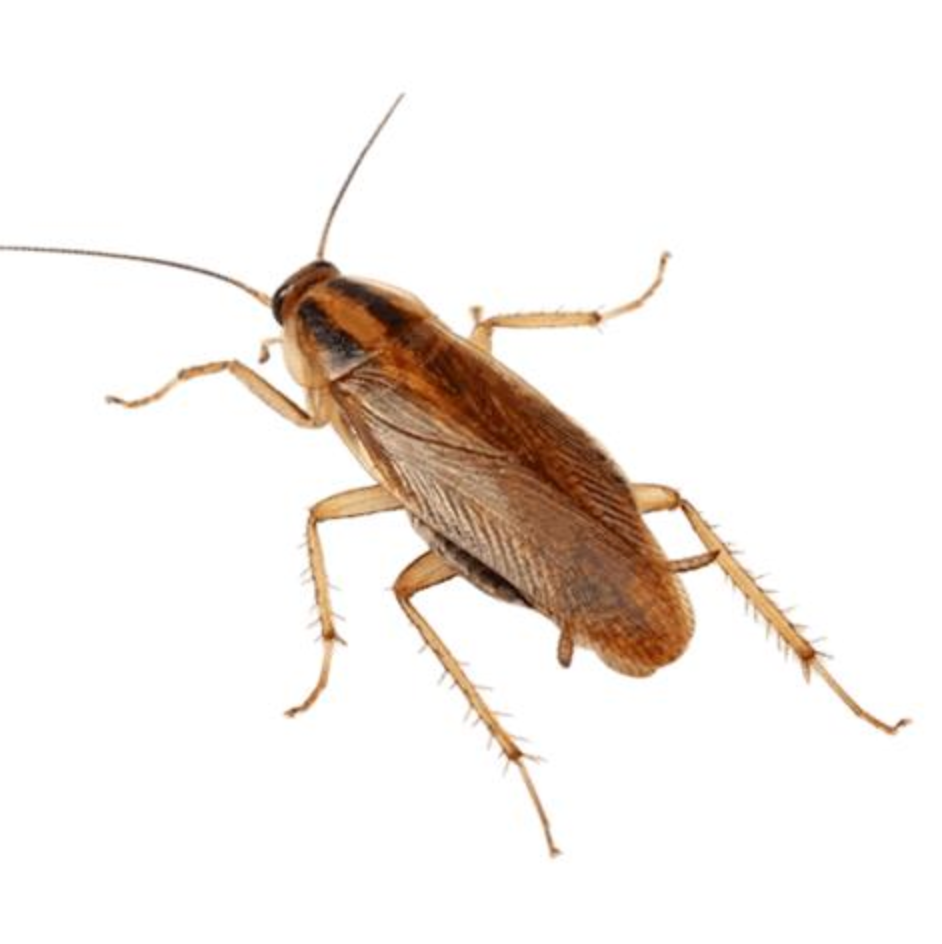
Blattella germanica
12–15 mm
Kitchens, restaurants, apartments, hospitals, cabinets, appliances
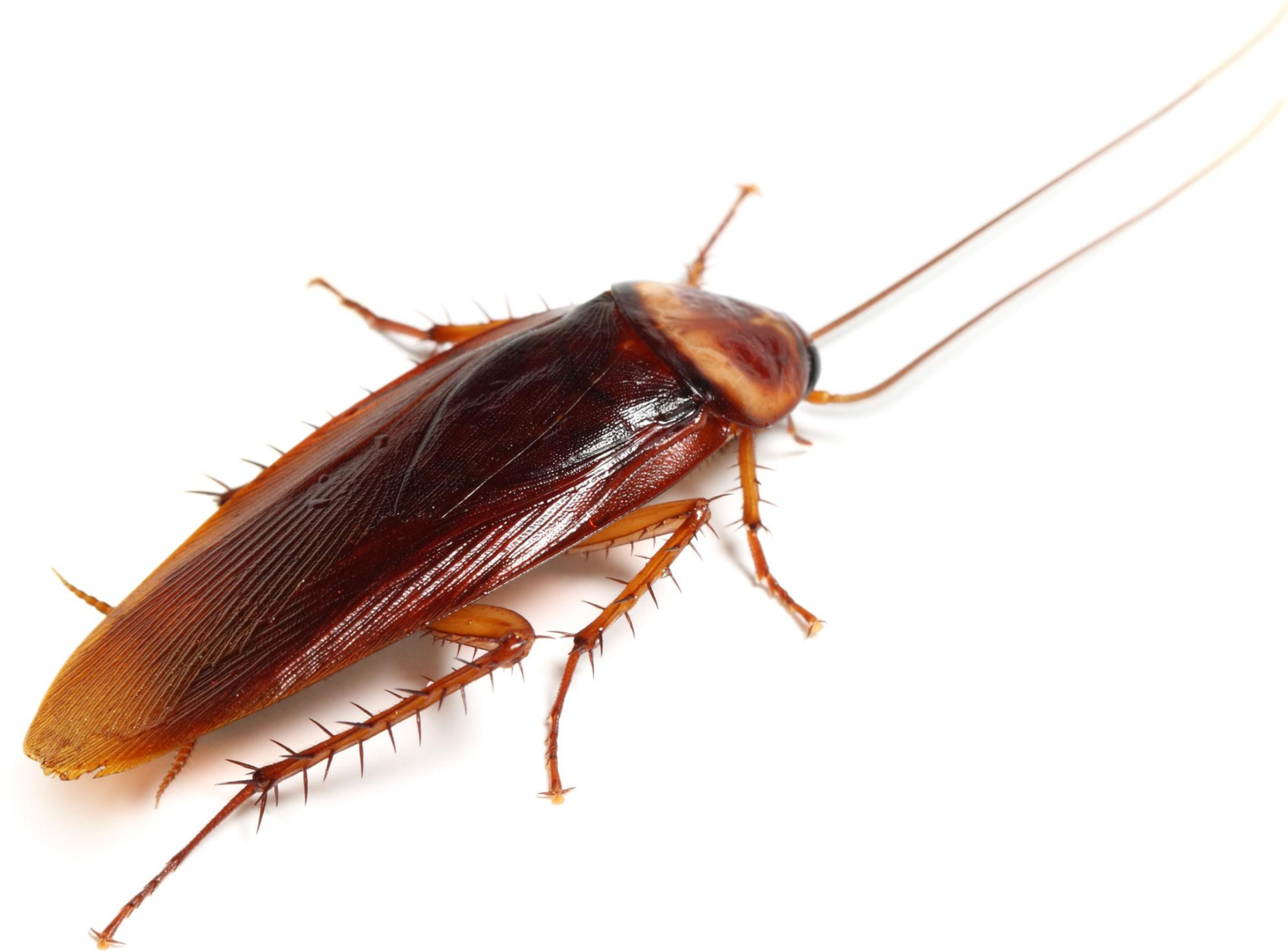
Periplaneta americana
30–50 mm
Drains, sewers, basements, parking areas, bathrooms
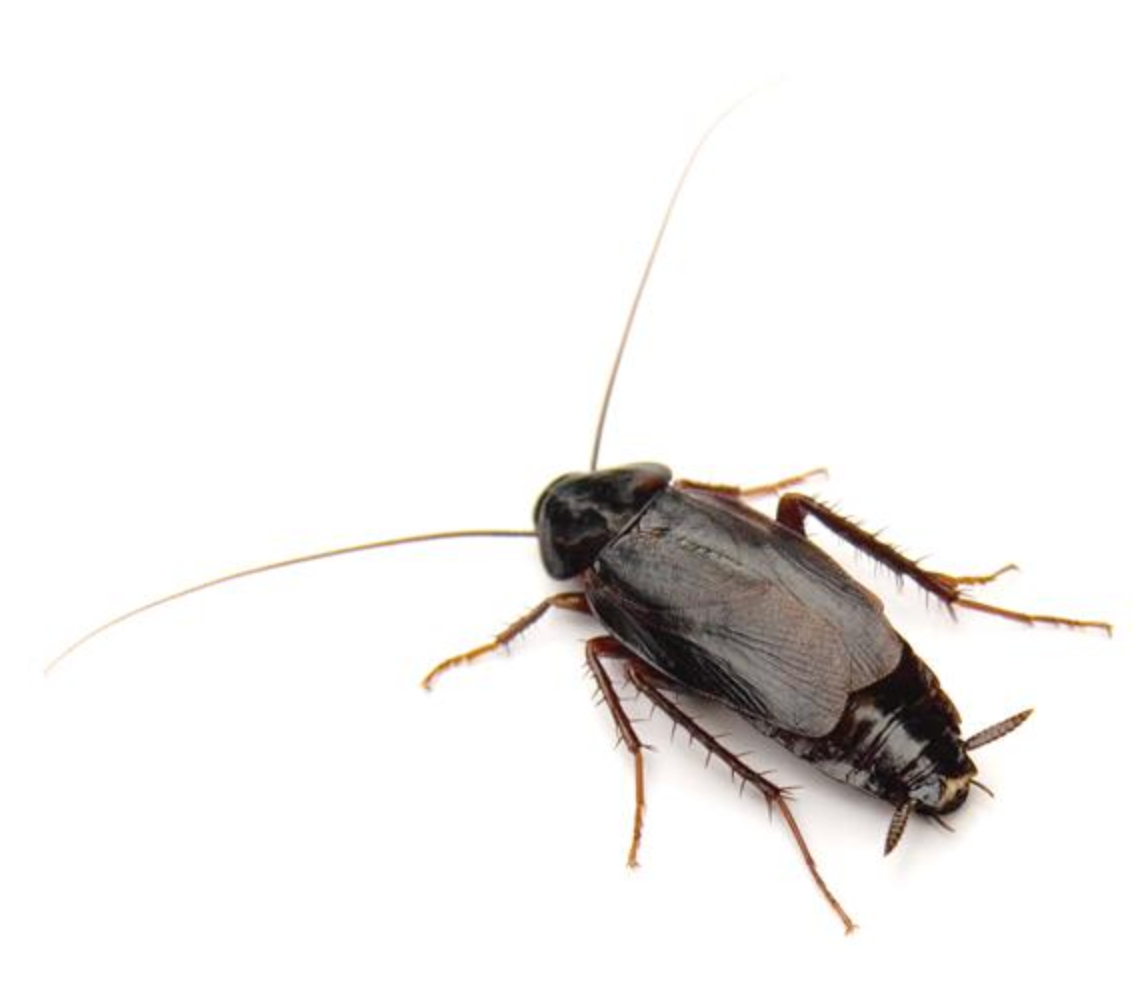
Blatta orientalis
20–30 mm
Damp areas, manholes, gardens, drainage systems
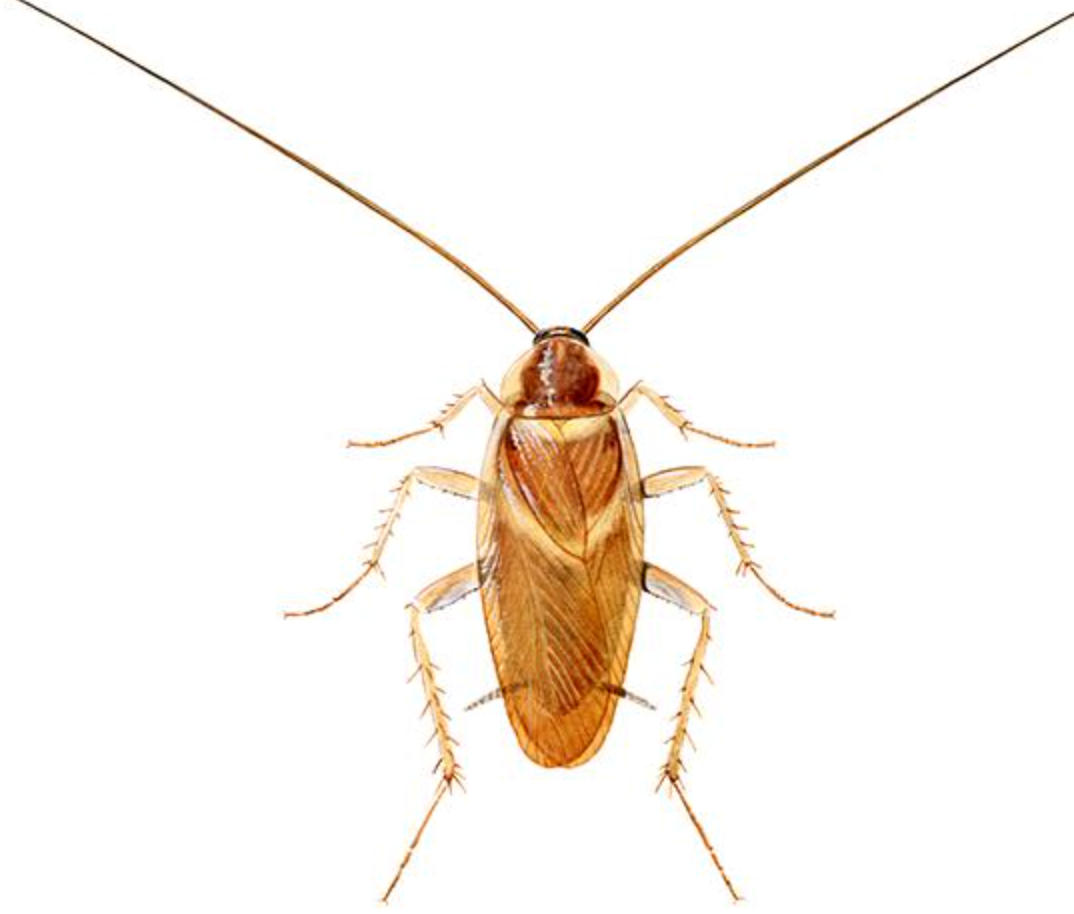
Supella longipalpa
10–14 mm
Bedrooms, wardrobes, offices, electronics, furniture
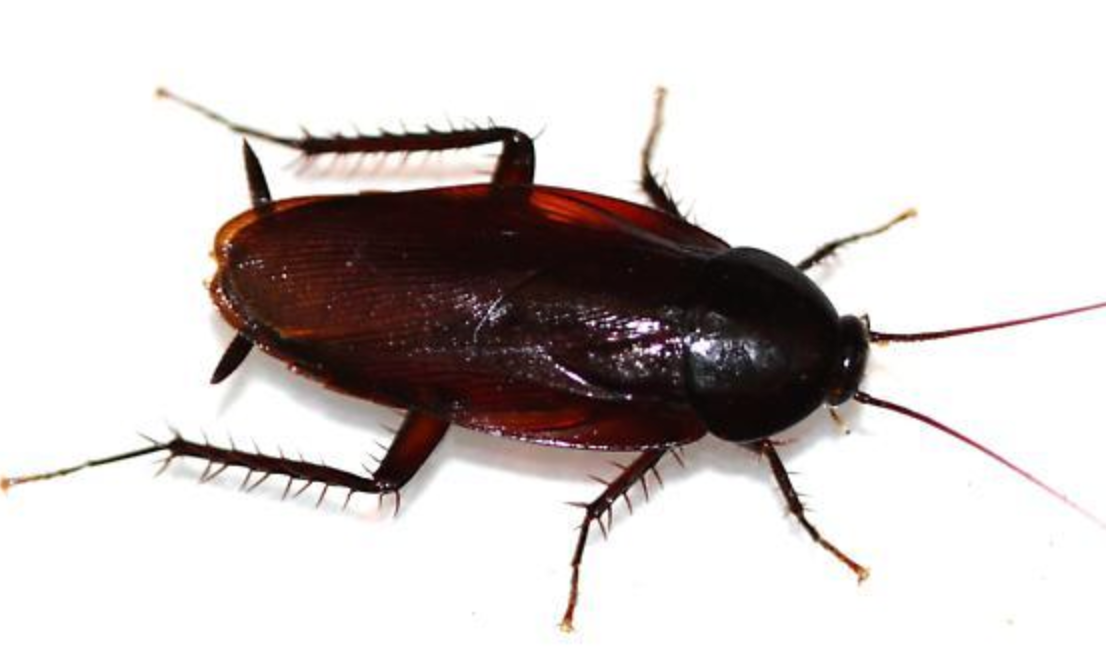
Periplaneta fuliginosa
30–35 mm
Trees, rooftops, outdoor vegetation
Think cooler weather keeps cockroaches away? Heated kitchens, appliances and plumbing voids stay warm all year — read our guide on cockroaches in winter to find out why infestations often continue indoors even when it's cold outside. Conversely, warmer months bring their own risks — see why summer cockroach activity tends to spike and how to stay ahead of it. Cockroaches can also hide inside appliances — learn about cockroaches and electrical damage — and if you've ever wondered whether cockroaches actually bite humans, we cover the facts behind that too. An infestation isn't only a hygiene issue either — see our piece on the psychological impact of cockroaches and how professional treatment can help restore peace of mind.
Beyond the discomfort, cockroaches raise genuine hygiene concerns — read our guides on whether cockroaches are a health risk (allergies, asthma and disease transmission) and cockroaches and food contamination for practical steps to protect your kitchen. Booking your first treatment? See what to expect during professional cockroach extermination — from inspection to aftercare and follow-up, and how our Integrated Pest Management approach targets the source instead of just spraying what you can see. Not sure whether your cockroach gel, spray or IGR treatment is the right fit, or whether it's time to call a professional? Our guides break both down.
Thinking of using a fogger? Read the danger of bug bombs for cockroaches first — they often fail to reach hidden harbourages and can scatter an infestation rather than solve it. Curious how targeted gel baits came about? See the role of research in advancing pest control solutions for how pest biology and resistance research shaped modern anti roach gel formulations.
Cockroach control is the process of eliminating cockroaches using professional inspection, targeted treatments, and preventive measures. At Standard Pest Control Bangalore, we use safe, low-odour products to control German, American, and Oriental cockroaches in homes and commercial properties.
Cockroaches spread bacteria, contaminate food, trigger allergies, and can worsen asthma. Professional cockroach control helps protect your family's health and maintains hygiene in homes, restaurants, offices, hospitals, and food businesses.
Cockroaches are attracted by food crumbs, moisture, leaking pipes, garbage, clutter, and warm hiding places. Kitchens, bathrooms, drains, and storage areas are common breeding locations.
The most common species found in Bangalore include:
German cockroaches are the most common indoor pest in apartments and kitchens.
Common signs include:
Yes. Seeing even one cockroach during the day may indicate a hidden infestation because cockroaches usually stay concealed until their population becomes large.
Bangalore's warm climate, seasonal humidity, apartment living, restaurants, drainage systems, and food establishments create ideal conditions for cockroach breeding throughout the year.
Yes. Cockroaches carry bacteria, fungi, and pathogens that may contaminate food and surfaces. They are also known to trigger allergies and asthma, especially in children.
Cockroach bites are very rare. However, they can contaminate food and surfaces with harmful bacteria.
Yes. Cockroaches often hide inside electrical appliances, computers, refrigerators, and switchboards, where they may cause short circuits or equipment damage.
Professional treatment includes inspection, identifying infestation areas, applying gel baits or residual insecticides, and providing preventive recommendations to stop reinfestation.
Gel bait treatment combined with residual spraying is considered one of the most effective solutions for German cockroach infestations.
A standard residential treatment usually takes between 30 minutes and 2 hours depending on property size and infestation level.
Most infestations are controlled in one visit, but severe German cockroach infestations may require a follow-up visit after 10–15 days.
No. Cockroach activity often increases during the first few days after treatment before the population gradually declines.
Professional treatments target adult cockroaches and newly hatched nymphs. Follow-up treatments help eliminate cockroaches emerging from egg capsules.
Depending on the treatment method, technicians may recommend leaving treated areas for a few hours before re-entry.
Only if advised by the technician. Most modern gel treatments require minimal preparation.
If hygiene is poor or neighbouring units have infestations, reinfestation is possible. Regular inspections and preventive maintenance reduce this risk.
Professional treatment provides long-lasting control, but ongoing sanitation and periodic pest management are recommended to prevent future infestations.
Yes. Professional pest control companies use approved products and provide safety instructions to ensure treatments are carried out responsibly.
Yes. Pets should be kept away during treatment and allowed back only after the recommended waiting period.
Yes, when performed by trained professionals using approved products and following recommended safety precautions.
Many modern cockroach treatments use low-odour formulations suitable for residential properties.
Typically 2–4 hours, depending on the treatment method used.
Food items should be covered or stored safely before treatment begins.
Yes, once the recommended waiting period has passed and kitchen surfaces are cleaned as instructed.
Professional products are designed for targeted application and generally do not stain when used correctly.
Reputable pest control companies use products approved by relevant regulatory authorities and follow label directions for safe application.
Yes. DIY sprays often kill only visible cockroaches, while professional treatments target hidden colonies and breeding sites.
Cockroach treatment costs depend on property size, infestation level, and treatment type. Residential services commonly start from around ₹1,300.
Factors include:
Yes. Apartments generally require less treatment area than independent houses or villas.
Many professional companies offer service warranties depending on the treatment package and infestation type.
Yes. AMC programs include scheduled inspections and preventive treatments throughout the year.
Maintain cleanliness, fix water leaks, store food properly, seal cracks, clean drains regularly, and dispose of garbage daily.
Yes. Moisture is one of the main reasons cockroaches survive indoors.
Residential properties are generally recommended to undergo preventive pest control every 6–12 months, while commercial kitchens may require more frequent service.
Yes. Cockroaches can enter through drains, delivery boxes, plumbing lines, or neighbouring properties.
Yes. Kitchen and bathroom drains are common entry points and should be inspected and treated when necessary.
Yes. Restaurants should have routine pest management programs to maintain hygiene and comply with food safety standards.
Yes. Hospitals require specialised pest management using appropriate products and procedures to minimise disruption.
Yes. Offices benefit from regular pest control to maintain a clean and healthy working environment.
Hotels can significantly reduce infestations through routine inspections, preventive treatments, and proper housekeeping.
Yes. Warehouses storing food or packaging materials should have scheduled pest inspections and treatments.
Cockroach infestations are frequently reported in Whitefield, Electronic City, HSR Layout, Koramangala, Indiranagar, JP Nagar, Marathahalli, Hebbal, Yelahanka, Rajajinagar, and other densely populated areas.
Yes. Warm temperatures and seasonal rains create favourable conditions for cockroach breeding.
Yes. German cockroaches are particularly common in apartment kitchens because they spread through plumbing and shared utility lines.
Many professional companies offer same-day or next-day appointments depending on technician availability.
Standard Pest Control offers experienced technicians, government-licensed services, safe treatment methods, transparent pricing, residential and commercial expertise, and tailored pest management solutions across Bangalore.
The German cockroach is one of the most common indoor cockroach pests worldwide, especially in kitchens, restaurants, apartments and food-handling areas. Other species may also be common depending on region.
Some cockroach species can fly well, while others can only glide or flutter. Many common household species primarily move by crawling.
Cockroach bites are very rare. In extreme infestations, some species may nibble exposed skin or other organic material, but biting is not their normal behaviour.
Yes. Cockroaches can contaminate food and surfaces with microorganisms and their body parts, faeces and shed skins can contribute to allergies and asthma, especially in sensitive individuals.
They may enter through cracks, gaps around pipes, drains, doors, cardboard boxes, grocery bags, furniture, appliances and other transported items.
They prefer dark, protected, warm and often humid areas such as behind refrigerators, under sinks, inside cabinets, around plumbing, behind appliances and in cracks and crevices.
No. Cockroaches would not survive the heat and blast of a nuclear explosion at close range. They are more resistant to radiation than humans, but the popular claim that they would simply survive a nuclear blast is misleading.
Some species can survive for several weeks without food, depending on temperature, humidity, life stage and access to water.
Cockroaches are much more dependent on water than food. Many can survive only several days to about a week or somewhat longer without adequate moisture, depending on species and environment.
A cockroach can survive for a limited time without its head because it does not breathe through its mouth. However, it will eventually die due to dehydration and other physiological problems.
An ootheca is a protective egg case produced by female cockroaches.
It depends on the species. A German cockroach ootheca commonly contains around 30–40 eggs, while other species may produce fewer or more.
They reproduce quickly, hide in very small crevices, can survive on tiny food sources, and some populations have developed resistance to certain insecticides.
Most common household cockroaches are mainly nocturnal and avoid bright light, although they may be seen during the day when infestations are heavy or hiding places are disturbed.
Cockroaches are highly opportunistic feeders and may consume food scraps, grease, starches, sweets, cardboard, paper, glue, soap residues and other organic material.
Effective control usually combines sanitation, food and water reduction, crack-and-crevice treatment, targeted baits, monitoring and sometimes insect growth regulators or other professional methods.
Sticky traps can be useful for monitoring cockroach activity and capturing individual insects, but they are usually not enough to eliminate a well-established infestation.
Yes. Natural predators include lizards, frogs, spiders, birds, beetles and parasitic wasps, depending on the environment.
Cockroaches can temporarily close their spiracles and reduce gas exchange. Some species may survive short periods without active breathing, but claims of one exact time limit do not apply to all species.
Cockroaches produce chemical secretions, faecal odours and aggregation pheromones. Heavy infestations can create a noticeable musty or oily smell.
Cockroaches have a circulating fluid called hemolymph, which is usually colourless or pale rather than red like human blood.
Some cockroaches can paddle or survive temporarily in water, while others may simply float. They are not aquatic insects, and their ability varies by species.
No. Cockroaches do not have ears like humans. They detect vibrations, air movement and sound-related cues through specialised sensory structures, including hairs on their bodies and legs.
Some cockroach species are extremely fast relative to their body size and can move at speeds of around 1 metre per second under favourable conditions.
Yes. Cockroaches have a brain in the head and a network of nerve ganglia throughout the body. It is incorrect to say they have a second brain in the tail.
Most household cockroaches cannot survive prolonged freezing. Short exposure to cold may slow them down, but sustained low temperatures can be lethal.
Cockroaches do not have teeth like humans. They have mandibles used for chewing food.
Cockroach vision varies by species. Many can detect light intensity and movement very well, and some can distinguish certain wavelengths. Saying all cockroaches are completely colourblind is too simplistic.
Common predators include lizards, frogs, spiders, birds, beetles and parasitic wasps.
Cockroaches can show basic learning and conditioning in laboratory settings, such as associating odours with food rewards.
Some studies suggest individual cockroaches can show consistent behavioural differences, such as being more bold or exploratory than others.
Yes. Cockroaches can survive in cars if food crumbs, moisture, clutter and suitable hiding places are available.
Cockroaches have many fine sensory hairs and bristles that help them detect touch, airflow, vibration and environmental changes.
Some may survive if the vacuum contents are not emptied or contained. After vacuuming cockroaches, dispose of the collected material promptly and securely.
Not like humans. They have specialised mouthparts used for chewing, tasting and manipulating food.
A microwave is not a reliable or safe cockroach-control method. Insects may sometimes survive due to uneven heating or shielded areas, but they can also be killed by sufficient heat exposure.
Yes. Cockroaches have a long dorsal vessel with multiple chambers that circulates hemolymph. The number of chambers can vary by species and is not best described with one fixed number for all cockroaches.
Many household cockroaches can climb smooth vertical surfaces because of specialised pads and claws on their feet, although ability varies by species and surface texture.
No. They detect smells mainly using sensory receptors on their antennae.
Yes. Even very clean homes can experience cockroach infestations if insects are introduced through bags, boxes, drains or nearby units. However, sanitation greatly reduces food and water that help infestations grow.
Yes. Cockroaches can learn and remember locations, odours and simple associations for periods of time.
The emerald cockroach wasp can sting cockroaches and alter their behaviour before using them as hosts for its larvae. This is often described popularly as creating a “zombie cockroach.”
Yes. Their feet have small claws and adhesive structures that help them grip surfaces.
Some species can inhabit sewer and drainage systems, while others may use gaps around plumbing or drains as entry routes. Seeing cockroaches near a drain does not always mean they are living inside the drain itself.
No. Cockroaches breathe through a tracheal system connected to external openings called spiracles.
Individuals trapped on sticky devices may die, but traps alone usually do not eliminate the hidden breeding population.
No. They do not have ears on their knees. They detect vibrations and air movement using sensory organs and hairs on different parts of the body, especially the legs and cerci.
Yes. Warm electronic equipment can provide protected hiding spaces, especially if food residue and moisture are also nearby.
Cockroaches are not eusocial like ants or termites, but many species show aggregation behaviour and prefer to hide in groups.
Yes. Some cockroach species are adapted to dry environments and have evolved ways to conserve water.
Cockroaches have a muscular section of the digestive tract called the proventriculus or gizzard, which can contain hardened structures that help grind food. These are not true teeth.
Some species can survive temporary submersion or floating conditions, but prolonged flooding can kill them. Survival varies by species and temperature.
No. Cockroaches have compound eyes on the head. They also have sensory structures called cerci at the rear of the body that detect air movement and vibration.
Yes. Hospitals, kitchens, laundries, cafeterias and utility areas can support cockroaches if food, water and hiding places are available. Their presence is a pest-management concern because of contamination risks.
Scientists have described more than 4,000 cockroach species worldwide, but only a relatively small number are important indoor pests.
Yes. Some non-pest species, such as the Madagascar hissing cockroach, are commonly kept as educational animals or pets.
No. Many adult cockroach species have wings, but some species are wingless or have reduced wings, and many winged species rarely fly.
Yes. Cockroaches may feed on book bindings, glue, paper coatings and organic residues, particularly in humid storage conditions.
Cockroaches have an open circulatory system and hemolymph pressure, but it does not function like human blood pressure because they do not have a closed network of arteries and veins.
Yes. Shoes can provide dark, protected hiding places, especially when stored undisturbed in an infested area.
If you are looking for the Best Pest Control Company in Bangalore for reliable and affordable Cockroach Control Services, Standard Pest Control provides trusted solutions with professional service and guaranteed customer satisfaction. Call us today for a free inspection.