Lizard Control Services in Bangalore
Safe • Effective • Crack & Crevice Treatment for Homes & Commercial Spaces
Trusted Since 2007
Government Licensed & Experienced Technicians
Safe • Effective • Crack & Crevice Treatment for Homes & Commercial Spaces
Trusted Since 2007
Government Licensed & Experienced Technicians
Lizards are commonly found in homes, kitchens, bathrooms, offices, warehouses, restaurants, and commercial properties where insects and food sources are easily available. Although lizards are generally harmless and actually consume insects, their presence can create fear, discomfort, contamination concerns, and unhygienic conditions inside residential and commercial spaces.
Lizard droppings on kitchen counters, food surfaces, utensils, and walls can contaminate food and create health risks. Their presence near electrical wiring, meter boxes, and conduit panels poses additional risks. In commercial kitchens, restaurants, and food processing units, lizard infestation can violate hygiene standards and cause serious compliance problems.
At Standard Pest Control, we provide professional Lizard Control Services in Bangalore using advanced pest management methods and target-specific treatments to control and eliminate lizards effectively. Our trained technicians identify lizard hiding areas and apply specialised treatments in cracks, crevices, windows, bathrooms, electric wiring areas, meter rooms, wall corners, ceilings, and other infestation-prone locations.
Lizard activity is usually easy to spot once you know what to look for. Watch for small dark droppings resembling bird droppings on counters and walls, lizards darting near lights and windows after dusk, rustling sounds behind cupboards or false ceilings, discarded tails (lizards shed their tails when threatened), and a general rise in insect activity that signals an available food source.
Our technicians inspect entry points, hiding areas, and breeding zones — cracks, ceilings, wiring conduits, bathroom areas, and kitchen gaps — to map the extent of lizard activity before treatment.
Specialised repellent chemicals are applied to cracks, wall corners, ceilings, and entry points. These create a barrier that discourages lizards from entering and roosting in treated areas.
Since lizards follow their food source, controlling cockroaches, mosquitoes, and flies simultaneously reduces the attraction for lizards. This dual approach delivers significantly more effective and lasting results.
We also advise on natural preventive methods including camphor, garlic repellents, and phenyl-based solutions. Lizards dislike strong odours such as garlic enzymes and camphor, making these effective supportive measures for indoor areas.
Not sure how bad the infestation is? Get a free inspection and a tailored treatment recommendation from our certified technicians.
Common house lizards are non-venomous and rarely bite unless directly handled or threatened. However, their droppings can carry Salmonella bacteria, which is why controlling them in kitchens and food areas matters for hygiene.
Lizards usually appear where insects are abundant — cockroaches, flies, mosquitoes, or ants. Their presence is often a signal of an underlying insect problem, and treating the insects reduces the lizard's food supply.
House lizards very rarely bite humans. They are naturally shy and tend to flee when approached rather than confront. Bites are uncommon and generally only occur if a lizard is grabbed or cornered.
Lizards do help control mosquitoes and small insects, but in indoor living and food-handling spaces the hygiene, contamination, and discomfort concerns generally outweigh this benefit — which is why controlled management is recommended.
Most common house lizards are nocturnal and are drawn to lights at night because insects gather around bulbs and tube lights, giving the lizards an easy hunting ground near windows, walls, and ceilings.
Yes, lizards often lay small clusters of soft, white eggs in hidden, undisturbed spots such as behind furniture, inside cupboards, or in wall cracks — a sign that an infestation has become established.
House lizards can grip and climb most smooth vertical surfaces, including glass, tiles, and painted walls, using microscopic hair-like structures on their feet — which is why they're often found on walls and ceilings.
Yes. Cleanliness reduces clutter and hiding spots, but lizards can still enter a clean home if insects, lights, or accessible entry points remain — controlling the food source is key to prevention.
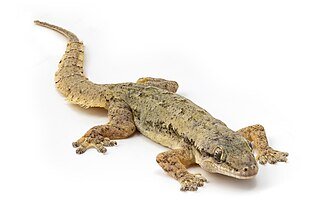
The common house gecko (Hemidactylus species) is by far the most frequently encountered lizard in Bangalore homes, offices, and commercial spaces — small, pale, and active mainly at night.
If you're seeing multiple lizards regularly, finding droppings on kitchen surfaces, discovering egg clusters, or DIY repellents aren't giving lasting results, it's time to call in a professional treatment.
A standard lizard control service takes around 45–90 minutes depending on property size, covering crack-and-crevice treatment, entry points, and high-activity zones like kitchens and bathrooms.
A professional lizard control treatment typically provides 3–6 months of protection. Results last longer when combined with insect control treatment, as removing the food source prevents lizards from returning.
Our lizard control approach is primarily repellent-based rather than lethal — target-specific chemicals discourage lizards from entering and roosting in treated cracks, crevices, and entry points instead of killing them outright.
Not always instantly — the repellent effect builds over the first few days as lizards avoid the treated surfaces and gradually relocate away from the property in search of untreated areas.
For most homes, a repeat treatment every 4–6 months maintains effective protection. Properties with heavy insect activity or persistent lizard entry may benefit from more frequent visits.
No. Lizard control treatment does not typically require vacating the property. We recommend keeping food items covered and pets away from freshly treated surfaces for a few hours.
The repellent solutions used have a mild odour that dissipates within a few hours of application. Ventilating the room after treatment helps the smell clear faster.
For heavier infestations, a follow-up visit 2–3 weeks after the first treatment helps confirm results and re-treat any missed entry points for complete control.
Home remedies like naphthalene balls, garlic, or onion can offer short-term relief, but they rarely address entry points or the underlying insect food source — professional treatment provides more targeted and lasting results.
Yes. We use target-specific repellent chemicals that are safe when applied by trained technicians. Food items, utensils, and surfaces are protected during treatment, and the area is ready to use within 2–3 hours after application.
Our treatments are formulated to be safe once dried, typically within 2–3 hours. We recommend keeping children and pets away from freshly treated surfaces until they are fully dry.
Yes, we use registered pest management products applied strictly according to label instructions and dosage guidelines by trained, licensed technicians.
As a precaution, we recommend pregnant occupants stay out of the room during application and ventilate the space for a few hours afterward, consistent with general pest treatment safety guidance.
We advise covering aquariums and fish tanks during treatment as a precaution, and our technicians avoid direct application near open water sources.
It's good practice to cover or store open food items and utensils before treatment, though our technicians take care to treat cracks and crevices rather than exposed surfaces.
Yes, keeping windows open for a few hours after treatment helps the mild odour clear faster and speeds up drying of treated surfaces.
Let our team know beforehand if any occupant has chemical sensitivities or respiratory conditions — we can adjust the treatment approach and timing accordingly.
Yes, we can incorporate natural repellent measures such as camphor and garlic-based solutions alongside targeted treatment for households preferring a lighter-chemical approach.
Yes, our technicians follow standard safety protocols including appropriate protective gear while handling and applying pest control chemicals.
Pricing depends on property size, severity of infestation, and number of treatment areas. Call us or request a callback for a free, transparent quote tailored to your property.
Yes, we provide a free, no-obligation quote after understanding your property size and the extent of the lizard problem.
Yes, commercial spaces such as restaurants, warehouses, and offices are typically larger and may need additional treatment zones, which is reflected in the quote.
No. We provide a fully itemized quote upfront with all charges disclosed before treatment begins — no hidden costs or surprise add-ons.
Yes, we offer Annual Pest Control AMC plans covering lizards along with other common pests for year-round protection at a bundled cost.
We accept cash, UPI, and major digital payment methods for your convenience — payment details are confirmed at the time of booking.
Follow-up visit terms are confirmed at the time of booking and vary based on the treatment package and severity of the infestation.
Yes, bundling lizard control with cockroach, mosquito, or general pest treatment is often more cost-effective than booking each service separately. Ask us for a combined quote.
Seal gaps around doors, windows, and pipes, fit mesh screens on ventilators, control insect populations, and reduce outdoor lighting facing entry points to limit lizard access.
Strong-smelling substances like garlic, onion, and coffee powder can offer mild, temporary deterrence, but they need frequent reapplication and don't address entry points the way professional treatment does.
Yes, reducing outdoor lighting near windows and doors, or switching to insect-repelling bulbs, lowers the number of insects gathering there and in turn reduces lizard activity.
Yes, mesh screens on windows and ventilators block both insects and lizards from entering, making them one of the most effective long-term prevention measures.
Store food in sealed containers, clean up crumbs and spills promptly, seal gaps around pipes and cabinets, and control insects — lizards go where food (insects) is easiest to find.
This is a popular home remedy, but there's no reliable evidence it deters lizards. Sealing entry points and controlling insects remain far more effective preventive steps.
Regular weekly cleaning behind furniture, appliances, and storage areas removes insect eggs and hiding spots that would otherwise attract and shelter lizards.
Yes, boxes, stacked papers, and rarely disturbed storage areas provide ideal hiding and breeding spots. Reducing clutter removes these shelters and makes treated areas more effective.
Yes, fixing leaks reduces the damp, humid conditions lizards and the insects they feed on both prefer, making the property less attractive to them overall.
Yes, periodic inspections catch new entry points and rising insect activity early, before they develop into a full lizard infestation — especially useful for larger or older properties.
Yes, visible lizards or droppings in food preparation areas can violate FSSAI and municipal hygiene norms. Regular lizard control is essential for restaurants, cloud kitchens, and food processing units.
Yes, we work with commercial clients to schedule treatment before opening hours, after closing, or on off-days to avoid disrupting business operations.
Yes, we regularly service offices, IT parks, and corporate campuses across Bangalore, focusing on pantries, false ceilings, server rooms, and electrical panel areas.
Lizards don't typically damage stock directly, but their droppings can contaminate packaging and stored goods, which is a serious concern for food and pharmaceutical warehouses.
Yes, hotels benefit from scheduled lizard control across guest rooms, kitchens, and common areas to maintain guest comfort and hygiene standards.
Yes, we can provide service reports and treatment records that commercial clients often need for internal hygiene audits and compliance documentation.
Yes, our technicians apply treatment to cracks, crevices, and non-food-contact surfaces so kitchens can resume food preparation soon after the recommended drying period.
Yes, our commercial AMC plans include scheduled lizard and general pest control visits, ideal for restaurants, offices, and warehouses.
We prioritize urgent commercial requests, especially ahead of health inspections or client visits — call us directly to discuss fast-response scheduling.
Areas with older buildings, dense insect activity, or proximity to green cover — like older residential layouts and neighbourhoods near parks or lakes — tend to see more lizard activity.
Yes, the monsoon brings a surge in insect activity across Bangalore, which in turn drives up lizard sightings indoors as they follow their food source seeking shelter from rain.
Yes, apartments with shared walls, common drainage lines, and landscaped compounds can see recurring lizard entry from neighbouring units and green areas.
Yes, Standard Pest Control provides lizard control services across Bangalore, including Whitefield, Koramangala, Indiranagar, HSR Layout, Electronic City, Jayanagar, and surrounding localities.
Independent houses often have more ground-level entry points, gardens, and outdoor lighting, which can make them somewhat more prone to lizard entry than higher-floor apartments.
Yes, properties near lakes, parks, or green belts tend to have higher insect populations year-round, which naturally supports larger lizard numbers nearby.
Yes, older structures tend to have more cracks, gaps, and deteriorated seals around doors and windows, giving lizards easier access than newer, tightly sealed buildings.
Yes, house lizards can deliberately drop their tails when threatened (a defense called autotomy) and slowly regrow a new one over the following weeks.
Geckos have microscopic hair-like structures called setae on their toe pads that create molecular-level adhesion, letting them grip smooth surfaces including glass and painted ceilings.
Common house geckos typically live around 3–5 years in the wild, though lifespan can vary with food availability, predation, and environmental conditions.
House geckos are among the few lizards that vocalize — short chirps and clicks are typically used to communicate with other lizards, especially during territorial or mating interactions.
Yes, mosquitoes, moths, and small flying insects make up a large part of a house lizard's diet — one reason they're often seen near lights where insects gather.
No, the small house gecko is a completely different species from the much larger monitor lizard, which is a protected wild species rarely found inside homes and requires specialist wildlife handling, not pest control.
Yes, house geckos have excellent low-light vision, which is part of why they are most active hunting insects at dusk and after dark.
Most common house geckos lack movable eyelids and instead lick their eyes clean with their tongue to keep them moist and free of dust.
House geckos typically lay 1–2 soft, white eggs at a time, often in hidden crevices, and can produce several clutches over a breeding season.
Common house geckos can lighten or darken their skin tone slightly depending on temperature, lighting, and stress levels, though the change is subtle compared to true color-changing lizards.
If you are searching for the Best Lizard Control Services in Bangalore, Standard Pest Control offers reliable, safe, and affordable lizard management solutions for residential and commercial properties across Bangalore. Call us today for a free consultation.