Wood Borer Treatment Services in Bangalore
Chemical Injection • Spraying • Wood Preservation for Furniture & Wooden Structures
Trusted Since 2007
Government Licensed & Experienced Technicians
Chemical Injection • Spraying • Wood Preservation for Furniture & Wooden Structures
Trusted Since 2007
Government Licensed & Experienced Technicians
Wood borers are destructive wood-damaging pests that attack wooden furniture, doors, windows, wardrobes, plywood, wooden flooring, false ceilings, antiques, and other wooden structures. These pests create tiny holes in wood surfaces and weaken the internal structure by feeding on the wood from inside, causing serious and often irreversible damage over time.
Wood borer infestation is commonly identified by small round exit holes, fine powder-like wood dust (frass) beneath furniture, weakened and hollow-sounding wood, and visible damage to wooden surfaces. If left untreated, wood borers can spread rapidly from one piece of furniture to another and permanently damage expensive wooden interiors and antiques.
At Standard Pest Control, we provide professional Wood Borer Treatment Services in Bangalore using advanced chemical injection methods, spraying techniques, and wood preservation treatments to eliminate wood borers completely and protect wooden structures from future infestation.
Several wood-boring beetle species commonly attack furniture and structural timber in Bangalore, each with slightly different habits and target wood types.
The most widespread wood borer in Bangalore. Adults are 3–5mm long and attack softwood, hardwood, plywood, and furniture. Larvae bore tunnels through wood for up to 3–4 years before emerging as adults.
Attacks hardwood and bamboo, reducing wood to a fine powder-like substance. Commonly found in new wooden furniture, flooring, and structural timber. Infestations spread quickly between wooden items.
Larger species (up to 25mm) that attack construction timber, roof beams, and structural wood. Their larger larvae create wider tunnels that significantly weaken load-bearing wooden structures in buildings.
Attacks old hardwood and antique furniture. Larvae can live inside wood for up to 10 years before emerging, causing extensive internal damage that is not visible until severe destruction has occurred.
Not sure how severe the damage is? Get a free inspection and a tailored treatment recommendation from our certified technicians.
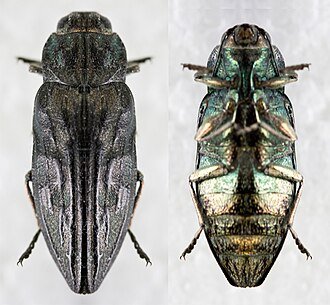
Wood borers are a group of beetle species whose larvae tunnel through and feed on wood from the inside, weakening furniture and structural timber over time. Adults emerge through small exit holes on the surface.
Adult beetles lay eggs in cracks, joints, and pores of untreated or under-treated wood. The eggs can already be present in raw timber used to build furniture, or beetles can fly in and lay eggs on existing pieces.
Wood borers are beetles whose larvae live and feed independently inside wood without needing soil contact, while termites are colony insects that typically need contact with soil or moisture and build mud tubes. Treatment methods differ accordingly.
Yes. New furniture made from untreated or insufficiently seasoned timber can already carry eggs or young larvae, which is why pre-treatment of raw wood is important before manufacturing.
Larvae feed slowly over months to years inside a single piece, but adult beetles emerging from infested wood can fly to and lay eggs on nearby furniture, gradually spreading the infestation through a home.
Yes, larger species such as the longhorn beetle target construction timber, roof beams, and rafters, which can weaken load-bearing wooden structures if left untreated for years.
No. While old and antique furniture is especially vulnerable due to species like the deathwatch beetle, even relatively new furniture can be infested if the wood wasn't properly treated before use.
Yes, the powderpost beetle in particular readily attacks bamboo and cane items in addition to hardwood, reducing them to fine powder if untreated.
Adult beetles tend to emerge and fly in warmer months to find new wood to lay eggs on, so sightings of adult beetles near windows often increase during summer.
If you spot fresh exit holes, growing piles of frass, a hollow sound when tapping wood, or live beetles, it's time to call a professional — DIY sprays rarely reach larvae deep inside the wood.
Small holes are drilled at strategic points and a specialised insecticide is injected deep into the wood, reaching larvae tunnelling inside that surface sprays alone cannot touch. Holes are then neatly filled and sealed.
A professional wood borer treatment typically provides 2–5 years of protection depending on the chemical used and wood type. We recommend a preventive inspection every 1–2 years for valuable wooden furniture and antiques.
In most cases, yes — if the structural integrity of the wood is not severely compromised. Our treatment kills larvae inside the wood and stops further damage. Heavily damaged sections may need to be replaced, but most infested furniture can be saved with timely treatment.
No. Our treatment chemicals are specifically formulated for wood and do not stain, discolour, or damage furniture finish. Drill holes used for injection are neatly filled and sealed after treatment.
For active infestations, drilling and injection reaches larvae deep inside the wood most effectively. Surface spraying is used as a supplementary and preventive measure but doesn't replace injection for confirmed infestations.
No, treatment is typically carried out on-site. For very large collections or antique dealers, we can advise on staged treatment schedules if needed.
Most treated furniture is safe to use again within a few hours once the chemical has dried and any odour has cleared with proper ventilation.
For heavier or widespread infestations, a follow-up visit is often recommended to confirm results and treat any newly emerged activity, since larvae can remain dormant deep inside wood.
Surface sprays can kill emerging adults but rarely reach larvae tunnelling deep inside wood. Professional injection treatment is needed to address an active internal infestation completely.
Yes, we strongly recommend preventive wood preservation treatment for raw or new timber before it's used in furniture or construction — it's far easier than treating an established infestation later.
Our treatments are safe once dried, typically within a few hours. We recommend keeping children and pets away from treated furniture and drilled areas until fully dry.
There is a mild chemical odour immediately after application, which dissipates within a few hours with proper ventilation. Windows should be kept open during and after treatment.
Yes, our technicians take care to inject through discreet, small drill points so the finish, polish, and varnish of your furniture remain unaffected.
Yes, we handle antique and heirloom pieces with extra care, using discreet injection points chosen to minimize visible impact while still reaching larvae deep inside.
Yes, we apply treatment to the wood structure itself while keeping food-contact surfaces protected, and recommend a short drying and ventilation period before returning items to cabinets.
We recommend keeping the treated room ventilated for at least a few hours after application to allow any odour to clear and the chemical to dry fully.
Let us know beforehand if any occupant has chemical sensitivities or respiratory conditions so we can plan timing and ventilation accordingly.
Yes, our technicians follow standard safety protocols including appropriate protective gear while handling and applying wood treatment chemicals.
Yes, we use registered pest management products applied strictly according to label instructions and dosage guidelines by trained, licensed technicians.
Yes, our technicians assess flooring construction before treatment and apply the right method — injection, edge treatment, or spraying — to safely address borers without damaging the floor surface.
Pricing depends on the number of items, severity of infestation, and whether treatment is per-item or whole-property. Call us or request a callback for a free, transparent quote.
Yes, we provide a free, no-obligation quote after inspecting the affected furniture or wooden structures.
Yes, antique pieces often require more careful, time-intensive treatment with discreet injection points, which may be reflected in the quote.
Yes, commercial spaces such as furniture showrooms, warehouses, and hotels typically involve more items or larger structural areas, which is reflected in the quote.
No. We provide a fully itemized quote upfront with all charges disclosed before treatment begins — no hidden costs or surprise add-ons.
Yes, our Annual Pest Control AMC plans can include periodic wood borer inspection and preventive treatment for year-round protection.
We accept cash, UPI, and major digital payment methods for your convenience — payment details are confirmed at the time of booking.
Follow-up visit terms are confirmed at the time of booking and vary based on the treatment package and severity of the infestation.
Use pre-treated, properly seasoned timber, apply preventive wood preservatives, keep furniture dry, and schedule periodic inspections — especially for valuable or antique pieces.
Yes, damp and humid conditions make wood more attractive to borers and support larval development, so controlling indoor humidity helps reduce risk.
Yes, a good polish or varnish coating seals surface pores and makes it harder for adult beetles to lay eggs directly on the wood, offering some added protection.
Yes, always check second-hand or antique furniture for exit holes, frass, or a hollow sound before bringing it home — an infested piece can spread borers to the rest of your furniture.
For valuable furniture and antiques, an inspection every 1–2 years catches new activity early, before larvae cause significant internal damage.
Neem oil has some natural insect-deterrent properties and can offer mild, temporary protection, but it doesn't penetrate deep enough to eliminate an active infestation on its own.
Yes, keeping outdoor wooden structures elevated and away from direct soil contact reduces moisture absorption, which lowers the risk of both borer and termite activity.
Yes, filling cracks, joints, and old drill holes reduces the surfaces available for adult beetles to lay new eggs on treated furniture.
Yes, preventive treatment on new wooden furniture — especially locally-sourced timber — is a cost-effective way to avoid a future infestation before it starts.
Yes, well-ventilated storage keeps humidity down and makes conditions less favourable for both wood borers and the fungal decay that often accompanies infestation.
Yes, we provide injection and spraying treatment for exposed roof beams, rafters, and other structural timber affected by wood-boring beetles.
Yes, warehouses with wooden pallets or racking are common sites for infestation, and we provide bulk treatment programs to protect large volumes of stored timber items.
Yes, showrooms displaying wooden furniture benefit from scheduled preventive treatment to protect stock quality and avoid infestations spreading between pieces.
Yes, we offer pre-purchase wood borer and pest inspections for real estate buyers wanting to check wooden fittings, flooring, and structural timber before finalizing a property.
Yes, hotels benefit from periodic inspection and treatment of wooden furniture, doors, and panelling to protect guest experience and asset value.
Yes, renovation is an ideal time to treat exposed structural timber and new woodwork before walls, flooring, or false ceilings are closed up.
Yes, we regularly treat antique furniture for collectors and dealers, using careful, low-impact injection methods suited to valuable and delicate pieces.
Yes, our commercial AMC plans can include scheduled wood borer inspection alongside general pest control, ideal for showrooms, warehouses, and hotels.
Yes, we can provide service reports and treatment documentation often required for insurance claims, furniture export compliance, or internal quality audits.
Yes, wood borers are a common concern across Bangalore homes and businesses, especially those with significant wooden furniture, fittings, or older wooden structures.
Yes, the increased humidity during Bangalore's monsoon season can make wood more susceptible to both borer activity and fungal decay, which often go hand in hand.
Yes, older heritage-style homes with extensive original wooden fittings, doors, and beams tend to see more wood borer activity given the age of the timber involved.
Yes, Standard Pest Control provides wood borer treatment services across Bangalore, including Whitefield, Koramangala, Indiranagar, HSR Layout, Electronic City, Jayanagar, and surrounding localities.
Yes, apartments with wooden wardrobes, doors, and modular furniture are just as susceptible as independent houses, especially if the timber used wasn't pre-treated.
Softer, less-treated local wood tends to be more vulnerable than dense hardwoods like teak, which is one reason we recommend preventive treatment for furniture using softer timber.
Yes, offices with wooden workstations, panelling, and furniture can develop infestations over time, and periodic inspection helps protect these assets.
The life cycle moves through egg, larva, pupa, and adult stages. Most of the damage happens during the larval stage, which can last from months to several years depending on the species.
Depending on the species, larvae can live inside wood anywhere from a few months to, in the case of the deathwatch beetle, up to a decade before emerging as adults.
Larvae feed silently inside the wood for years without any visible sign. Exit holes only appear once fully-grown adults chew their way out to the surface, which is why infestations often seem to come out of nowhere.
Yes, most adult wood borer beetles can fly, which is how an infestation spreads from one piece of furniture to nearby wooden items in a room.
Adult beetles usually live for a relatively short period — often just a few weeks — during which their main purpose is to mate and lay eggs on new wood before dying.
Dense hardwoods such as teak contain natural oils and compounds that make them more resistant to wood borers than softer, untreated timber, though no wood is entirely immune.
A single female wood borer beetle can lay dozens of eggs in cracks and pores across a piece of furniture, which is how a small initial infestation can grow substantially over time.
The deathwatch beetle gets its name from the faint tapping sound adults make against wood to attract mates — historically noticed most in quiet old houses at night.
Yes, larvae can tunnel extensively through the interior of a wooden item while the surface still looks intact, which is why a hollow sound when tapping is such a useful early indicator.
Most household wood borer species target cut, seasoned timber rather than living trees, though some related beetle species can affect stressed or dying trees outdoors.
If you are looking for the Best Wood Borer Treatment Services in Bangalore, Standard Pest Control offers reliable, safe, and affordable wood borer management for homes, offices, hotels, apartments, and commercial properties across Bangalore. Call us for a free inspection today.