Professional pest management solutions for hospitals, clinics, patient areas, kitchens, laboratories, storage spaces and other healthcare environments.
Govt. Approved License No.: JDA/BU/PL/PE19-2039892/2020-2021
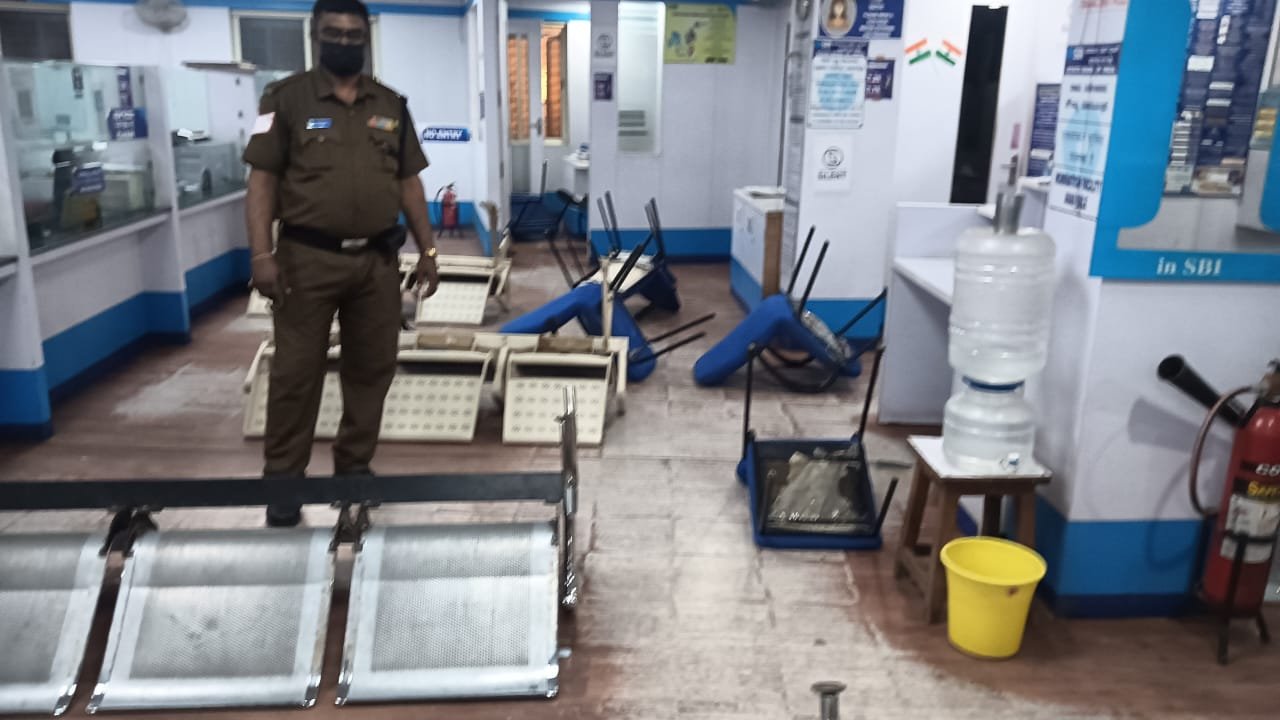
Hospitals and healthcare facilities contain sensitive environments where pest activity requires careful attention. Kitchens, cafeterias, storage rooms, drainage systems, utility areas, waste zones and external surroundings can provide pests with food, moisture, shelter and entry opportunities.
A hospital pest management programme should focus on early detection, source identification, targeted control, preventive measures and regular monitoring while considering patient areas, sensitive equipment and day-to-day healthcare operations.
Pest activity within healthcare facilities can create sanitation concerns in areas that require consistent cleanliness and monitoring.
Pests moving through kitchens, cafeterias, storage spaces and waste areas may contaminate food-contact or surrounding surfaces.
Visible pest activity can negatively affect patient, visitor and staff confidence in the healthcare environment.
Hospitals contain patient-care, laboratory, pharmacy and equipment areas where pest activity should be identified and controlled promptly.
Rodents may gnaw wiring, insulation, stored materials and other building components.
Recurring pest problems may require corrective treatment, additional cleaning and maintenance within affected hospital areas.
Inspection of accessible room areas, furniture, wall-floor junctions and concealed spaces for signs of pest activity.
Inspection around cooking equipment, counters, sinks, drains, storage spaces and food preparation areas.
Inspection of food-service counters, seating areas, waste bins and locations where food debris may accumulate.
Inspection of storage racks, cartons, cabinets and structural openings for signs of pest movement or harbourage.
Inspection of accessible utility openings, storage areas and surrounding spaces while considering sensitive laboratory environments.
Inspection around pipe entries, service shafts, electrical rooms and concealed building spaces that may provide pest routes.
Inspection of drains, plumbing connections and moisture-rich locations associated with cockroach and fly activity.
Inspection of waste-storage areas, bins and surrounding zones that may attract rodents, flies and cockroaches.
Inspection of delivery entrances, loading zones and incoming materials that may provide opportunities for pest entry.
Inspection around the building perimeter, landscaped areas, drainage points and possible rodent or mosquito activity zones.
Inspect patient areas, kitchens, storage rooms, drainage systems, utility spaces, waste areas and external surroundings.
Identify pest species, activity levels and locations where signs of infestation are present.
Locate harbourage areas, breeding sources, food and moisture availability and structural pest entry points.
Plan suitable pest-management measures according to the affected area, pest type and sensitivity of the healthcare environment.
Apply appropriate control measures to identified pest activity while considering access restrictions and hospital operations.
Recommend measures related to sanitation, structural proofing, drainage, storage and waste management.
Monitor pest activity through scheduled inspections and adjust control measures where necessary.
Maintain service records and observations where included as part of the hospital pest-management programme.
Effective hospital pest management combines professional treatment with sanitation, structural maintenance, exclusion, waste management and regular monitoring.
Maintain routine inspection of pest-prone hospital areas
Keep hospital kitchens and cafeterias clean
Store food and supplies in suitable closed containers
Remove food spills and organic waste promptly
Maintain waste bins and waste-storage areas correctly
Repair leaking taps, pipes and drainage problems
Seal gaps around pipes, cables, doors and utility openings
Keep storage areas organised and accessible for inspection
Inspect incoming cartons and supplies for pest activity
Monitor service shafts and utility areas for rodent movement
Maintain drains and moisture-prone areas
Reduce standing water around landscaped and external areas
Monitor loading and receiving zones for pest entry
A structured pest-management programme can support the broader hygiene, sanitation, facility-maintenance and documentation requirements of healthcare environments.
Healthcare-Focused Inspection
Inspections focus on hospital areas where pests may enter, hide, feed or move between different parts of the facility.
Targeted Pest Management
Control measures are selected according to the identified pest, affected location and conditions present at the site.
Preventive Approach
Recommendations can address sanitation, moisture, waste, structural openings and other conditions contributing to pest activity.
Sensitive Area Planning
Pest-management activities can be planned according to access requirements and the sensitivity of different hospital areas.
Scheduled Monitoring
Regular inspections can help identify developing pest activity before infestations become more difficult to manage.
Multiple Pest Solutions
Hospital pest-management programmes can address cockroaches, rodents, flies, mosquitoes, ants, bed bugs and other relevant pests.
Commercial Pest Management
Services can be structured for hospitals, clinics and other healthcare facilities.
Bangalore Service Coverage
Standard Pest Control provides commercial pest-management services across multiple areas of Bangalore.
Standard Pest Control provides pest-management services for hospitals, clinics and healthcare facilities across major areas of Bangalore.
Search your locality below to find pest control services near you.
Schedule a professional inspection to identify pest activity, entry points, contributing conditions and suitable pest-management measures for your healthcare facility.