Pest Management for Food Processing & Production Facilities

Food Industry Pest Control in Bangalore

Professional pest management solutions for food production, processing, packaging, storage, receiving, dispatch and waste-handling areas.

  • 4.9 Google Rating — 220+ Verified Reviews
  • Serving Homes & Businesses Across Bangalore Since 2007

Govt. Approved License No.: JDA/BU/PL/PE19-2039892/2020-2021
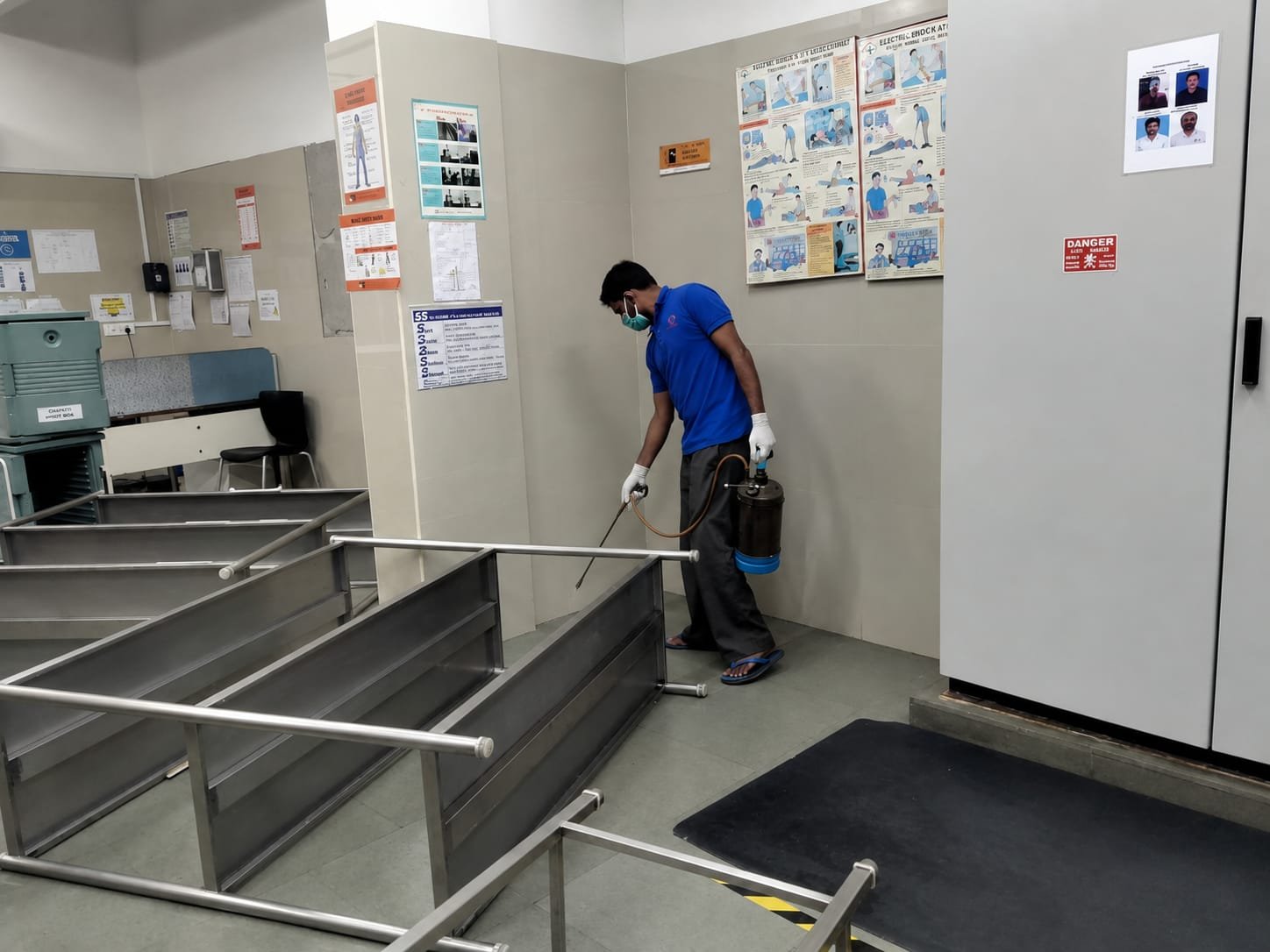
Professional pest control inspection inside a food processing facility in Bangalore

Professional Pest Control for the Food Industry in Bangalore

Food processing and production facilities can provide pests with access to ingredients, moisture, warmth, packaging materials and concealed harbourage. Receiving areas, production lines, storage rooms, drains, utility spaces and waste-handling zones can become pest activity points if they are not regularly monitored.

An effective food-industry pest management programme should focus on prevention, early detection, source identification, targeted control, structural exclusion and ongoing monitoring across the entire flow of materials from receiving to dispatch.

Common Pest Problems

Common Pest Problems in Food Industry

Why It Matters

Why Professional Pest Control Matters for Food Industry

Food Contamination

Pest activity around ingredients, processing areas and finished products can create food contamination and hygiene concerns.

Packaging Damage

Rodents and other pests may damage cartons, bags, plastic packaging and stored materials.

Production Area Hygiene

Pest activity in production and processing zones can indicate sanitation, structural or pest-entry conditions requiring corrective action.

Stored Product Risk

Ingredients and finished goods may be exposed to pest activity when storage, monitoring or exclusion controls are inadequate.

Operational Disruption

Pest infestations may require additional cleaning, product inspection, maintenance and corrective pest-control measures.

Pest Introduction Through Materials

Incoming raw materials, pallets, cartons and packaging may introduce pests or signs of pest activity into the facility.

Areas We Cover

Areas We Inspect & Treat in Food Industry

Raw Material Receiving

Inspection of incoming ingredients, pallets, cartons and receiving zones for signs of pest activity or introduction.

Production Areas

Inspection around production lines, equipment, wall-floor junctions and concealed spaces where pests may move or hide.

Processing Areas

Inspection around processing equipment, food-contact surroundings and utility connections for pest activity.

Ingredient Storage

Inspection of racks, containers, bags, cartons and storage spaces for rodents, insects and other pest signs.

Finished Goods Storage

Inspection of packaged products, pallets and storage racks to identify pest activity before dispatch.

Packaging Areas

Inspection around packaging materials, equipment and stored cartons for pest harbourage and contamination risks.

Drainage Systems

Inspection of floor drains, wastewater routes and moisture-rich areas that may support cockroach and fly activity.

Utility & Service Areas

Inspection around pipes, electrical rooms, service passages and structural openings that may provide pest entry routes.

Waste Handling Areas

Inspection of organic waste, bins and waste-storage spaces that may attract flies, cockroaches and rodents.

Loading & Dispatch Areas

Inspection of loading bays, shutters, doors and dispatch zones that may allow pests to enter the facility.

Building Perimeter

Inspection around external walls, vegetation, drains and structural gaps that may contribute to pest pressure.

Recommended Services

Recommended Pest Control Services for Food Industry

Our Process

Our Integrated Pest Management Process

1
Facility Inspection

Inspect receiving, production, processing, storage, packaging, drainage, waste and external areas.

2
Pest Identification

Identify pest species, activity levels and evidence of infestation within the facility.

3
Source Identification

Locate pest entry points, harbourage, breeding sources, food residues, moisture and structural conditions contributing to activity.

4
Risk Area Assessment

Identify higher-risk areas based on food exposure, pest pressure, incoming materials, drainage and waste handling.

5
Treatment Planning

Develop pest-management measures suitable for the identified pest and affected production environment.

6
Targeted Treatment

Apply appropriate control measures to identified pest activity and harbourage areas.

7
Exclusion & Prevention

Recommend structural proofing, sanitation, storage, drainage and operational improvements to reduce pest entry and survival.

8
Monitoring

Monitor pest activity at identified risk locations to detect changes and evaluate control measures.

9
Follow-Up & Documentation

Conduct scheduled follow-up inspections and maintain service observations where included in the pest-management programme.

Prevention

Preventing Pest Problems in Food Industry Facilities

Long-term pest prevention requires coordinated sanitation, structural exclusion, incoming-material inspection, waste management and regular pest monitoring.

Inspect incoming raw materials, pallets and packaging for pest activity

Store ingredients in suitable closed containers where applicable

Maintain organised and accessible storage areas

Clean food spills and production residues promptly

Prevent accumulation of food debris beneath equipment

Maintain floor drains and drainage systems

Repair leaking pipes and moisture problems

Seal gaps around doors, pipes, cables and utility openings

Maintain loading doors and shutters to reduce pest entry

Keep waste containers covered and remove waste regularly

Maintain waste-storage areas in a clean condition

Monitor production and storage areas for rodent activity

Reduce unnecessary cardboard and packaging accumulation

Inspect building perimeters for pest entry points

Maintain vegetation and external surroundings where practical

Hygiene & Compliance

Supporting Food Safety, Hygiene & Pest Management

A structured pest-management programme can support broader food-safety, sanitation, facility-maintenance and pest-monitoring requirements within food production environments.

  • Routine pest inspection and monitoring
  • Identification of pest activity and harbourage areas
  • Monitoring of production and storage zones
  • Inspection of incoming material and receiving areas
  • Corrective recommendations for pest entry points
  • Attention to drainage and waste-management areas
  • Preventive pest-management measures
  • Scheduled follow-up inspections
  • Service documentation where included in the programme
Why Choose Us

Why Choose Standard Pest Control

Food Facility-Focused Inspection

Inspections cover receiving, processing, production, packaging, storage and waste areas where pest activity may affect operations.

Source-Based Pest Management

Control measures focus on identified pest sources, harbourage areas and entry routes rather than visible activity alone.

Rodent Monitoring

Rodent activity can be monitored around production, storage, loading and external perimeter areas.

Preventive Approach

Recommendations can address sanitation, structural gaps, drainage, waste management and storage practices.

Scheduled Monitoring

Regular inspections can help identify developing pest activity before it spreads across production and storage areas.

Multiple Pest Solutions

Food-industry pest programmes can address rodents, cockroaches, flies, ants, lizards, termites and other relevant pests.

Commercial Pest Management

Services can be structured for food processing, production, manufacturing and storage facilities.

Bangalore Service Coverage

Standard Pest Control provides commercial pest-management services across multiple industrial and commercial areas of Bangalore.

Bangalore Coverage

Food Industry Pest Control Services Across Bangalore

Standard Pest Control provides pest-management services for food processing, production and storage facilities across major industrial and commercial areas of Bangalore.

Related Industries

Pest Control for Other Industries in Bangalore

Related Services

Related Pest Control Services

FAQs

Frequently Asked Questions

Food production facilities contain ingredients, processing areas, storage spaces and waste zones that can support pest activity. Structured pest management helps identify, control and prevent pest risks across these areas.

Food facilities may experience problems with rodents, cockroaches, flies, ants, lizards and termites depending on building conditions, food availability and surrounding pest pressure.

Important areas include raw-material receiving, production, processing, packaging, ingredient storage, finished-goods storage, drains, utility areas, waste zones, loading areas and the external perimeter.

Rodents may enter through door gaps, loading bays, drains, utility openings, damaged structures and other gaps around the building perimeter.

Yes. Incoming pallets, cartons, packaging and raw materials can sometimes introduce pests or evidence of pest activity, making receiving-area inspection important.

Fly activity can be reduced by controlling breeding sources, maintaining drains, cleaning food residues, managing waste correctly and reducing pest entry through doors and other openings.

Service frequency depends on facility size, production activity, pest pressure, stored materials, sanitation conditions and monitoring findings. Regular inspections help determine an appropriate pest-management schedule.

Areas We Serve in Bangalore

Search your locality below to find pest control services near you.

Need Pest Control for Your Food Industry Facility in Bangalore?

Schedule a professional inspection to identify pest activity, entry points, high-risk areas and suitable pest-management measures for your food production facility.