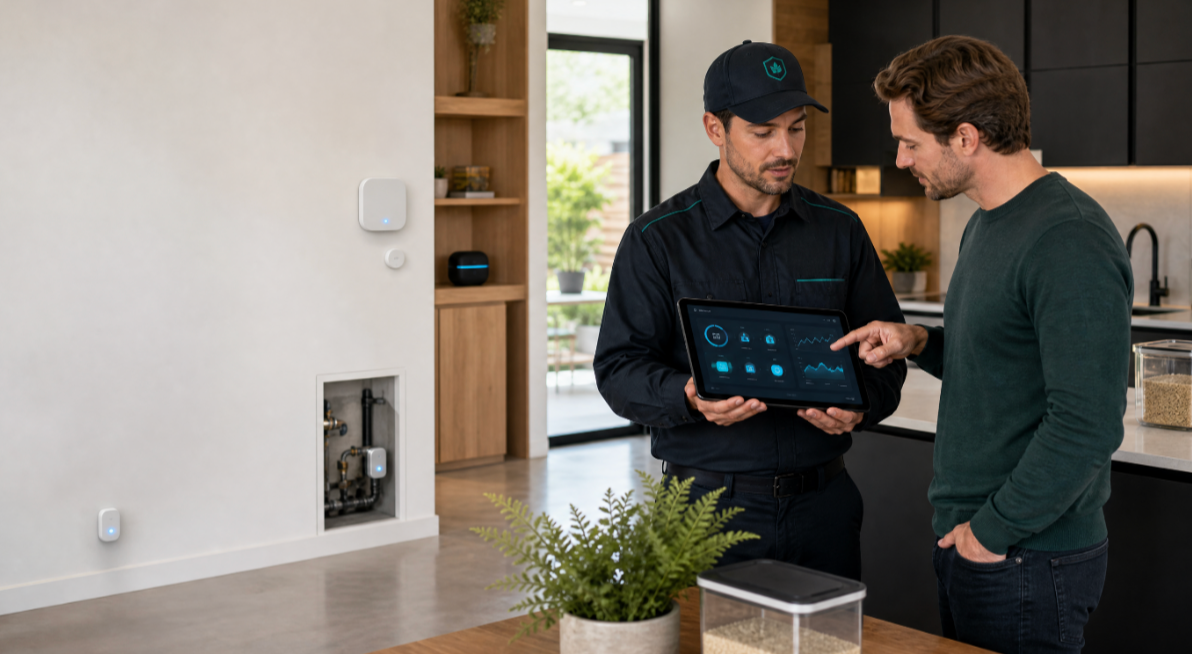
Smart homes are changing the way people manage security, lighting, energy consumption, appliances and indoor comfort. Sensors can detect movement, water leaks and temperature changes, while connected devices allow homeowners to monitor their property even when they are away.
So, can technology also make pest control smarter? Yes, but technology works best when it supports, rather than replaces, professional inspection and prevention. Modern pest management can combine smart monitoring, connected sensors, digital reporting, automated alerts and Integrated Pest Management (IPM) to identify pest risks earlier and reduce unnecessary pesticide applications.
For homeowners, this means moving from "we saw pests, so now we need treatment" toward "the system detected conditions or activity before the infestation became serious." For professional pest-control services in Bangalore, visit Standard Pest Control.
What Is Smart Pest Control?
Smart pest control uses technology to help detect, monitor, record and respond to pest activity. Depending on the property and pest, technology may include:
- Connected rodent monitoring
- Digital insect monitors
- Motion or activity sensors
- Smart cameras
- Moisture sensors
- Water-leak detectors
- Temperature and humidity monitoring
- Digital pest-sighting records
- QR-coded monitoring points
- Automated alerts
- Pest trend dashboards
The objective isn't to fill a home with gadgets. The objective is to obtain better information earlier.
Why Smart Homes Still Get Pests
A technologically advanced house can still provide pests with the same basic requirements: food, water, shelter and entry points. Cockroaches don't care whether your refrigerator is connected to Wi-Fi. Rodents don't care whether your lights respond to voice commands. Mosquitoes don't care whether your air conditioner is controlled through an app.
Smart technology becomes useful when it helps identify the conditions allowing pests to survive.
Common Pests in Smart Homes
1. Cockroaches
Cockroaches can hide around:
- Kitchens
- Sinks
- Drains
- Cabinets
- Appliances
- Utility areas
Modern kitchens often contain numerous built-in appliances and concealed spaces that can make inspection challenging. For professional treatment, see Cockroach Pest Control Bangalore.
2. Rodents
Rats and mice can potentially damage the electrical and communication infrastructure that smart homes depend upon. Rodents may gnaw:
- Electrical wiring
- Data cables
- Insulation
- Appliance wiring
This makes early detection especially important. See Rodent Pest Control Bangalore.
3. Ants
Ants may enter through tiny structural gaps and move toward:
- Kitchens
- Food storage
- Pet feeding areas
- Water sources
Monitoring and identifying their entry routes is more effective than repeatedly spraying visible ants. See our complete guide to ant control.
4. Mosquitoes
Smart homes with gardens, balconies, roof terraces, water features or plant collections may still experience mosquitoes. Technology can assist with water-leak and moisture monitoring, but breeding-source inspection remains essential. See Mosquito Pest Control Bangalore.
5. Termites
Termites can remain hidden inside structures for extended periods. Technology can support inspection and monitoring, but termite control still requires professional assessment and an appropriate treatment strategy. See Termite Control Bangalore.
Smart Rodent Monitoring
Rodent monitoring is one of the clearest applications of connected pest-management technology. Traditional monitoring requires a technician to physically inspect every monitoring point. Connected systems can potentially detect activity and transmit information to a monitoring platform.
An alert might indicate rodent activity detected at a specific monitoring point, for example in a basement utility room. This allows the pest-management team to focus attention on the affected location.
Why Early Rodent Detection Matters
Imagine a rat enters a villa's false ceiling. Without monitoring, the first evidence might be scratching sounds, droppings, odour or damaged electrical cables. By then, the animal may have been present for days. Earlier detection allows investigation before significant damage occurs.
Smart Monitoring Doesn't Automatically Solve the Problem
This distinction is important. A sensor can tell you that rodent activity was detected, but it may not tell you:
- Where the rodent entered
- What attracted it
- Whether there are additional rodents
- Which structural repair is required
Technology detects the event. Professional pest management investigates the cause.
Digital Pest Monitoring Maps
A smart home can maintain a simple digital map of monitoring points, for example:
- R01 – Garage
- R02 – Utility Room
- R03 – Garden Boundary
- C01 – Kitchen
- C02 – Pantry
This makes recurring pest activity easier to track.
QR-Coded Pest Monitoring
QR codes can also be attached to monitoring locations. During inspection, a technician scans the code and records date, pest activity, device condition, corrective action and follow-up requirement. This creates a digital service history for each monitoring location.
Smart Cameras and Pest Detection
Security cameras may occasionally capture rats, mice or larger wildlife around gardens, garages or external boundaries. Repeated nighttime activity in one location may indicate a travel route. However, cameras should complement, not replace, a physical pest inspection.
Artificial Intelligence and Pest Identification
Image-recognition systems are increasingly capable of assisting with insect identification. A homeowner may photograph an insect and receive a possible identification, helping distinguish between cockroaches, beetles, ants and flies.
However, AI identification should be treated as supporting information, particularly when treatment decisions depend on accurate species identification. A pest-management professional may still need to examine the specimen.
Not sure what's causing the problem? Get a professional inspection before you decide on treatment.
Book Free Inspection Call NowMoisture Sensors Can Help Prevent Pest Problems
Smart water sensors can be extremely useful for pest prevention. Leaks underneath sinks, dishwashers, washing machines or water heaters may remain unnoticed. Persistent moisture can create favourable conditions for cockroaches and other moisture-associated pests.
A leak sensor can alert the homeowner early. Fixing the leak may reduce both water damage and pest risk.
Humidity Monitoring
Some smart-home systems monitor indoor humidity. Persistently high humidity may contribute to conditions favourable for silverfish, mould and certain stored-product or moisture-associated pests. Humidity data can therefore provide useful environmental information. Again, the sensor does not kill pests — it helps identify why conditions may favour them.
Smart Drain and Water Management
Water management can also support mosquito prevention. Smart systems may help identify leaks, abnormal water usage or irrigation problems. But homeowners should still physically inspect plant trays, balconies, roof areas, drains and containers for stagnant water.
Smart Irrigation and Mosquito Prevention
Overwatering gardens can create persistent wet areas, water-filled plant trays and poor drainage. Smart irrigation systems can help reduce unnecessary watering, supporting both water conservation and pest prevention.
Smart Waste Management
Modern kitchens may include connected appliances and automated systems, but basic sanitation still matters. Cockroaches and ants can survive on small food residues. Keep food sealed, bins covered, counters clean and floors free from crumbs. Technology cannot compensate for poor sanitation.
Smart Door and Window Monitoring
Door and window sensors are primarily designed for security, but the information can also reveal how frequently particular entry points remain open. However, pest prevention still requires physical measures such as door sweeps, screens, sealed utility penetrations and structural maintenance.
Smart Homes Have More Wiring, Which Makes Rodents More Important to Watch
Smart homes may contain extensive electrical wiring, data cables, sensor wiring, security systems and home automation infrastructure. Rodent damage can therefore become expensive. Inspect false ceilings, utility rooms, garages and electrical areas for droppings and gnawing. Early rodent control can protect both the building and its technology.
Pest Control Around Smart Appliances
Cockroaches often prefer warm, protected areas. Modern homes contain refrigerators, dishwashers, coffee machines, ovens and other smart kitchen appliances. Food residue, warmth and moisture around appliances can create favourable harbourage. Cleaning underneath and behind accessible appliances remains important.
Can Smart Speakers Detect Pests?
Homeowners sometimes wonder whether microphones or smart speakers can detect rodents or insects. General consumer devices are not designed to provide reliable professional pest detection. Scratching sounds may have many causes. Dedicated monitoring systems and physical inspection are more appropriate when pest activity is suspected.
Automated Alerts Can Improve Response Time
A useful smart pest-management workflow might look like this: sensor detects activity, an alert is generated, the location is identified, a technician inspects, the cause is found, corrective action is taken, and follow-up monitoring continues. The technology improves speed and information. The technician provides interpretation and corrective action.
Digital Pest-Sighting Records
Homeowners can maintain simple digital records: date, location, pest, photograph and action taken. For example, a small cockroach spotted at the kitchen sink, photographed, with an inspection requested. Patterns may become visible over time.
Ready to get this sorted? Ask us about a structured, documented treatment plan.
Book Free Inspection WhatsApp UsPest Trend Analysis
Instead of asking whether a cockroach was seen today, smart pest management asks where cockroach activity has occurred during the last three months. Trend analysis can reveal recurring hotspots, helping target prevention efforts.
Smart Pest Control and Integrated Pest Management
Technology works particularly well when incorporated into Integrated Pest Management (IPM). The process becomes: Monitor → Detect → Identify → Investigate → Prevent → Treat → Verify. This can reduce unnecessary pesticide use.
Targeted Treatment Instead of Routine Spraying
Smart monitoring can help determine exactly where pest activity is occurring. For example, cockroach activity detected in the kitchen means inspecting the kitchen harbourage rather than spraying the entire house every month. Similarly, rodent activity in the garage means inspecting garage entry points instead of automatically placing control products everywhere. Better data can support more targeted treatment.
Smart Pest Management for Families
Families may prefer pest-management strategies that reduce unnecessary pesticide applications. Monitoring, sanitation and structural exclusion can help. When treatment is necessary, professional targeted application should be used according to the product label, in line with our guide to safe pest control for homes with children, pets and seniors.
Smart Pest Management for Pets
Pet feeding areas can attract ants, cockroaches and rodents. Smart feeders may control feeding schedules, but spilled food still needs to be cleaned. Avoid leaving pet food available overnight where practical. Technology can help manage feeding, but sanitation remains essential.
Smart Home Pest Prevention Checklist
Use this simple routine.
Kitchen
- Keep food sealed
- Clean crumbs
- Inspect underneath appliances
- Monitor leaks
Bathrooms
- Repair leaks
- Maintain drains
- Monitor humidity
Utility Areas
- Inspect wiring
- Check for rodent evidence
Garden
- Avoid standing water
- Manage irrigation
- Inspect vegetation
Garage
- Keep storage organized
- Inspect doors and structural gaps
Smart Monitoring
- Review alerts
- Record pest activity
- Investigate repeated detections
What Technology Cannot Replace
Even the smartest pest-control system cannot replace professional identification of different pest species, structural inspection to find hidden entry points, treatment knowledge for selecting and applying pesticides correctly, and human judgment to interpret what a sensor detection actually means.
Technology should therefore be viewed as a decision-support tool, not a complete replacement for professional pest management.
The Future of Smart Pest Control
Future pest-management systems may increasingly combine connected monitoring, artificial intelligence, automated species recognition, environmental sensors, predictive analytics and digital dashboards. A system could eventually correlate repeated rodent activity in a particular location, a time pattern and environmental conditions into an increased infestation-risk signal. This could help pest-management companies intervene earlier.
Privacy and Smart Pest Monitoring
Connected pest-monitoring devices should also be selected with privacy and cybersecurity in mind. Homeowners should understand what information is collected, where data is stored, who can access it, and whether cameras or microphones are involved. Pest monitoring should not unnecessarily compromise household privacy.
Professional Smart Pest Management in Bangalore
Standard Pest Control provides professional pest-management services for homes and commercial properties in Bangalore. A modern pest-management programme can incorporate:
- Pest-risk inspection
- Rodent monitoring
- Cockroach monitoring
- Digital service records
- Pest activity mapping
- Structural pest-proofing recommendations
- Moisture and sanitation observations
- Targeted pest treatments
- Follow-up monitoring
Related Services
- Cockroach Pest Control Bangalore
- Rodent Pest Control Bangalore
- Mosquito Pest Control Bangalore
- Termite Control Bangalore
Frequently Asked Questions
What is smart pest control?
Smart pest control uses sensors, connected monitoring, digital records and other technologies to help detect and track pest activity.
Can technology completely eliminate pests?
No. Technology can improve detection and monitoring, but sanitation, structural maintenance and professional treatment may still be necessary.
Can smart sensors detect rats?
Dedicated connected rodent-monitoring systems can detect certain types of activity and generate alerts depending on the technology used.
Can AI identify cockroaches?
Image-recognition tools may assist identification, but professional confirmation can still be important before deciding on treatment.
Can smart-home technology prevent mosquitoes?
Technology can help detect leaks and manage irrigation, but homeowners still need to remove or manage stagnant-water breeding sources.
Can smart sensors detect termites?
Specialized monitoring technologies may assist termite detection, but professional termite inspection remains essential.
Does smart pest control reduce pesticide use?
It can. Better monitoring can help identify exactly where and when treatment is required, supporting more targeted interventions.
Can smart cameras detect rats?
Security cameras may capture rodent movement, particularly around outdoor or garage areas, but they are not a substitute for dedicated monitoring and inspection.
Is smart pest monitoring useful for apartments?
Yes. Monitoring can be useful in kitchens, utility areas and other appropriate locations, although structural pest problems in apartments may require coordination with building management.
What is the best smart pest-control strategy?
Combine technology, sanitation, structural exclusion, monitoring and professional pest management rather than relying on technology alone.
Final Thoughts
Smart homes are designed to detect problems earlier, automate routine tasks and make better use of information. Pest management can follow the same philosophy.
Instead of waiting until pests become obvious, the sequence is: Monitor, Detect, Investigate, Prevent, Treat, Verify. Technology can tell us where and when something is happening. Professional pest management helps determine why it is happening and how to stop it.
The future of pest control isn't simply more chemicals. It's better information, earlier detection and smarter prevention. For professional pest-management services in Bangalore, visit Standard Pest Control.
Related reading: Safe Pest Control for Babies, Pets & Senior Citizens: Everything You Need to Know | Why Government-Licensed Pest Control Companies Are the Safest Choice for Your Home | How to Choose the Best Pest Control Company in Bangalore: 12 Expert Tips | How Often Should Pest Control Be Done in Bangalore? Expert Recommendations for Every Home | Documentation in Commercial Pest Control: Why Records Matter