Libraries are designed to preserve knowledge, but the materials that make books and documents valuable can also make them vulnerable to pests. Paper, cardboard, book bindings, adhesives, leather, cloth and stored organic materials can provide food, shelter or suitable hiding places for insects and rodents.
Silverfish moving between shelves, booklice appearing in damp storage areas, cockroaches around staff pantries, termites attacking wooden shelving or rodents damaging books can all create serious problems.
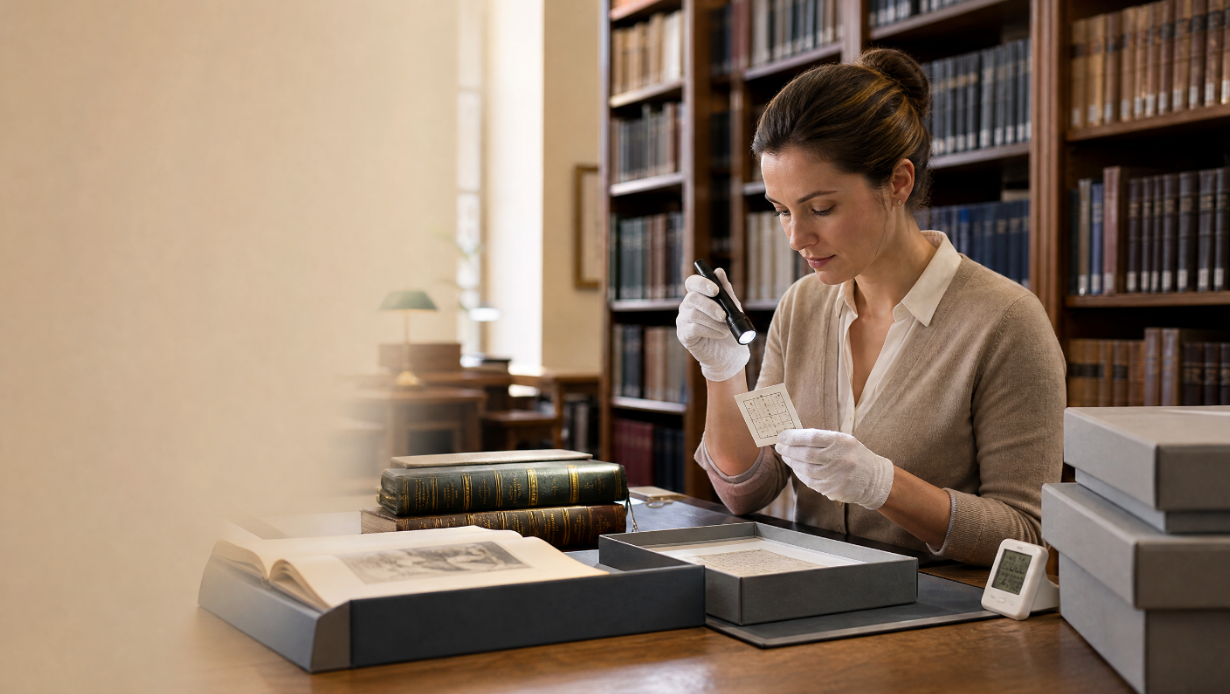
For libraries, therefore, pest management should not simply mean periodic pesticide spraying. The better approach is Integrated Pest Management (IPM) — preventing pest entry, controlling moisture, maintaining good housekeeping, monitoring pest activity and using carefully targeted treatments when necessary.
The objective is simple: protect the books, protect the documents, and control the pests without unnecessarily exposing collections to chemicals. For professional pest-management services in Bangalore, visit Standard Pest Control.
Why Libraries Need Specialized Pest Control
A normal office can replace damaged furniture or documents. A library may contain:
- Rare books
- Historical documents
- Manuscripts
- Newspapers
- Magazines
- Maps
- Photographs
- Bound journals
- Government records
- Research papers
- Archival collections
Some items may be difficult or impossible to replace. Pest management must therefore protect both the building and its contents.
Before treatment, the pest-management team should understand:
- Which pest is present?
- Where is the activity occurring?
- What materials are at risk?
- Is moisture contributing to the problem?
- Can the problem be corrected without treating the collection directly?
Not sure what's causing the problem? Get a professional inspection before you decide on treatment.
Book Free Inspection Call NowWhat Attracts Pests to Libraries?
Libraries can provide several things pests need.
Pests may feed on or be attracted to:
- Paper-related materials
- Bookbinding adhesives
- Natural fibres
- Food crumbs
- Staff food
- Waste
- Dead insects
Leaking pipes, damp walls, high humidity and poor ventilation can encourage certain pests. Libraries also contain thousands of protected hiding spaces:
- Behind books
- Under shelving
- Inside boxes
- Behind cabinets
- Inside wall gaps
- Beneath floors
- In false ceilings
A quiet storage room that is rarely disturbed can provide ideal pest harbourage.
Common Pests Found in Libraries
Different pests create different risks.
1. Silverfish
Silverfish are among the insects most commonly associated with paper-storage environments. They prefer dark, protected and often humid locations. They may damage materials containing starches and cellulose, including:
- Paper
- Book bindings
- Cardboard
- Wallpaper
- Adhesives
Signs can include irregular surface feeding or scraping. Finding silverfish should also encourage an investigation of humidity and moisture conditions.
2. Booklice
Despite their name, booklice are not true lice. They are tiny insects often associated with humid environments and microscopic mould. They may appear around:
- Books
- Paper
- Cardboard
- Damp walls
- Storage boxes
Large numbers can indicate an underlying moisture problem. Simply killing the visible insects without correcting humidity may provide only temporary control.
3. Cockroaches
Cockroaches may damage paper and other organic materials, but in libraries they are often strongly associated with food, moisture and waste. Check:
- Staff kitchens
- Cafeterias
- Pantry areas
- Drains
- Garbage rooms
- Washrooms
- Utility spaces
Food-related areas should ideally be separated from book-storage areas. For professional cockroach management, see Cockroach Pest Control Bangalore.
4. Termites
Termites can be particularly destructive because they may remain hidden until significant damage has occurred. They can attack:
- Wooden shelves
- Door frames
- Structural timber
- Wooden furniture
- Paper-based materials
- Cardboard storage
Termite mud tubes, damaged wood or unusual deterioration around bookshelves should be investigated promptly. See Termite Control Bangalore.
5. Wood-Boring Insects
Libraries containing antique wooden furniture, shelves or historic fixtures may experience wood-borer activity. Possible signs include:
- Small holes in timber
- Powder or frass
- Weak wooden sections
- Adult beetles
However, old holes do not automatically mean an infestation is currently active. Fresh powder or new holes are more useful warning signs.
6. Carpet Beetles
Carpet beetle larvae may be a concern in libraries containing materials such as:
- Wool carpets
- Natural-fibre textiles
- Leather
- Historic bindings
- Felt
- Animal-derived materials
They can remain hidden in quiet, dark areas for extended periods.
7. Rodents
Rats and mice can create extensive damage. They may:
- Gnaw books
- Damage cardboard boxes
- Shred paper for nesting
- Contaminate shelves with urine or droppings
- Damage electrical cables
Rodents should be addressed immediately, particularly in rare-book and document-storage areas. See Rodent Pest Control Bangalore.
Ready to get this sorted? Ask us about a structured, documented treatment plan.
Book Free Inspection WhatsApp UsIntegrated Pest Management for Libraries
A strong library IPM programme follows: Prevent → Inspect → Monitor → Identify → Correct → Treat Carefully → Document → Review. The emphasis should be on prevention rather than routine chemical treatment.
Step 1: Inspect the Building
Begin outside the library. Check for:
- Door gaps
- Window gaps
- Damaged screens
- Cracks
- Pipe openings
- Utility penetrations
- Drainage openings
- Roof gaps
Pests entering from outside can sometimes be controlled simply by repairing these access points.
Step 2: Inspect the Bookshelves
Regularly examine:
- Lower shelves
- Dark corners
- Behind rarely moved books
- Under shelves
- Shelf supports
- Book-storage boxes
Look for:
- Live insects
- Dead insects
- Shed skins
- Droppings
- Frass
- Webbing
- Holes
- Damaged pages
Early detection can prevent major collection damage.
Step 3: Control Humidity and Moisture
Moisture management is one of the most important aspects of library pest control. Investigate:
- Plumbing leaks
- Roof leaks
- Damp walls
- Air-conditioning problems
- Condensation
- Poor ventilation
Persistent moisture can encourage mould as well as moisture-associated insects. Environmental conditions should be managed according to the requirements of the collection.
Step 4: Use Monitoring Traps
Monitoring traps can help identify pest activity before major damage becomes visible. Place appropriately selected monitors in locations such as:
- Storage rooms
- Shelf ends
- Corners
- Near doors
- Utility areas
- Staff pantries
- Rare-book rooms
Each monitor should have an identification number, for example:
- LIB-01 – Main Reading Hall
- LIB-02 – Rare Books Section
- LIB-03 – Archive Storage
- LIB-04 – Staff Pantry
- LIB-05 – Receiving Area
Record the findings every time the traps are inspected.
Professional Pest Control for Libraries in Bangalore
Libraries require more than routine pesticide application. Standard Pest Control provides professional commercial pest-management services in Bangalore. A library IPM programme can include:
- Detailed pest inspection
- Pest monitoring
- Rodent monitoring
- Cockroach management
- Termite inspection
- Structural proofing recommendations
- Sanitation recommendations
- Targeted treatment
- Service documentation
- Follow-up monitoring
For valuable collections, treatment decisions should be coordinated with the library's archivist, curator or conservation professional. Our approach follows the same documentation-first commercial pest control standard used across other institutional sites, and draws on the same staff pest-awareness training that helps front-line teams report activity early.
Related Services
Frequently Asked Questions
What pests commonly damage books?
Silverfish, booklice, termites, certain beetles, cockroaches and rodents can damage books or the materials around them.
Why do silverfish appear in libraries?
Silverfish prefer dark, protected locations and are often associated with humid environments. They may feed on starch-containing materials found in paper products and bindings.
Do termites eat books?
Termites feed on cellulose and can damage paper, cardboard and wooden shelving when an infestation reaches a library or record room.
Should pesticides be sprayed directly on books?
Valuable books and documents should not be directly treated without appropriate conservation guidance. Pest control should focus first on identifying the pest and source.
How can libraries prevent silverfish?
Control moisture, repair leaks, improve housekeeping, monitor insect activity and inspect dark storage locations regularly.
How can libraries prevent rodents?
Seal entry points, restrict food, manage waste, monitor activity and inspect external doors and utility openings.
Should libraries have pest-control monitoring traps?
Yes. Properly placed and regularly inspected monitoring traps can provide early warning of insect activity.
What should I do if I find insects inside an old book?
Isolate the item according to collection procedures, inspect nearby books, identify the pest and seek specialist conservation advice if the item is valuable.
How often should a library be inspected for pests?
The frequency depends on collection value, building conditions and pest pressure. Sensitive libraries benefit from regular monitoring rather than waiting for visible infestation.
What is the best pest-control method for libraries?
Integrated Pest Management (IPM) is generally the preferred approach because it combines prevention, environmental management, monitoring, pest identification and targeted treatment.
Final Thoughts
A library's greatest asset is not its building. It is its collection. A small pest infestation that goes unnoticed can gradually damage books and documents that took decades to collect.
Effective library pest management therefore begins long before pesticide treatment is required. The strongest approach is: Inspect, Keep Dry, Keep Clean, Restrict Food, Monitor, Identify Early, Treat Carefully, Document, and Follow Up.
The goal isn't simply to kill insects. It is to protect knowledge for the next generation. For professional pest-management services in Bangalore, visit Standard Pest Control.
Related reading: Employee Training for Pest Awareness in the Workplace: Building a Pest-Smart Team | Documentation in Commercial Pest Control: Why Records Matter | Pest Control for Warehouses and Storage Facilities: Protecting Goods from Damage | IPM for Commercial Properties: A Strategic Approach to Business Protection | Choosing a Commercial Pest Control Provider: What to Look For | Pest Control for Historic Properties: Preservation Challenges | Pest Control for Museums and Archives: Protecting Artifacts and Collections