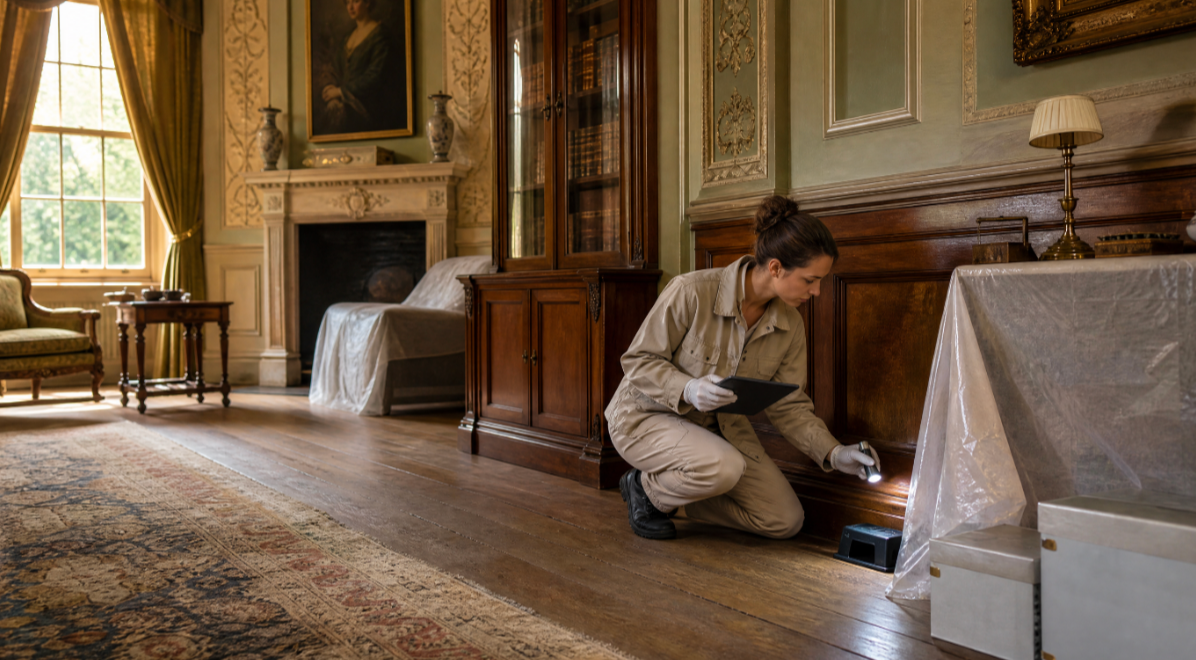
Historic buildings tell the story of a city, community and generation. Heritage homes, old temples, churches, museums, government buildings, palaces, libraries and traditional structures may contain aged timber, antique furniture, documents, decorative woodwork and original architectural features that cannot easily be replaced.
Unfortunately, many of these same materials are vulnerable to termites, wood-boring insects, rodents, cockroaches, ants, moisture-associated pests and other infestations. Pest management in a historic property therefore requires a different philosophy from ordinary building pest control.
The goal is not simply to eliminate the pest. It is to control the pest while protecting the historical fabric, original materials and cultural significance of the property. For professional pest-management services in Bangalore, visit Standard Pest Control.
Why Historic Properties Need Specialized Pest Control
Modern buildings are generally constructed with relatively standardized materials and accessible utility systems. Historic buildings can be very different. They may contain:
- Old wooden beams
- Traditional doors and windows
- Antique furniture
- Timber flooring
- Decorative carvings
- Historic plaster
- Natural-fibre materials
- Books and documents
- Paintings
- Archival collections
- Original masonry
Some structures may also contain hidden cavities and construction details that are difficult to inspect. Aggressive drilling, spraying or structural modification could potentially damage the very features the pest-control programme is supposed to protect. That is why historic-property pest management should begin with inspection, documentation and careful planning.
Common Pests Affecting Historic Buildings
1. Termites
Termites are among the most serious threats to properties containing substantial wooden elements. They may damage:
- Wooden beams
- Door frames
- Window frames
- Flooring
- Furniture
- Decorative woodwork
- Stored paper materials
Termite activity can remain concealed behind walls, flooring and timber. Possible warning signs include mud tubes, hollow-sounding wood, damaged timber, discarded wings and unexplained deterioration. Early professional inspection is particularly important in historically significant buildings. See Termite Control Bangalore.
2. Wood-Boring Insects
Wood-boring beetles and similar insects can create problems in old timber and antique furniture. Signs may include small exit holes, fine powder or frass, weakening timber, tunnelling and adult insects.
However, an important distinction must be made: old holes do not necessarily mean there is a current infestation. Historic timber may contain evidence of pest activity that happened many years ago. Fresh powder, new holes or live insects can provide stronger evidence of current activity. Professional identification should therefore come before treatment.
3. Rodents
Rats and mice can cause considerable damage to historic properties. They may:
- Gnaw wooden materials
- Damage electrical cables
- Shred documents
- Damage stored textiles
- Contaminate rooms with droppings
- Nest inside wall or roof cavities
Old buildings may also contain numerous structural gaps through which rodents can enter. See Rodent Pest Control Bangalore.
4. Cockroaches
Cockroaches may become established around kitchens, staff areas, drains, toilets, storage rooms and basements. They are particularly attracted to areas containing food, water and protected harbourage. Historic buildings open to visitors may also contain cafés, restaurants or staff kitchens that increase pest pressure. See Cockroach Pest Control Bangalore.
5. Silverfish and Moisture-Associated Insects
Historic properties containing books, paper, documents, archives and wallpaper may experience silverfish and other moisture-associated pests. Persistent activity can indicate environmental problems such as excessive humidity or water leakage. Treating the insect without addressing the moisture may provide only temporary control.
6. Ants
Ants may enter through old masonry cracks, wall joints and structural openings. Food service and gardens can increase ant activity. See our complete guide to ant control.
Moisture Is a Major Preservation Issue
One of the most important factors connecting building conservation and pest management is moisture. Water may enter historic properties through:
- Roof leaks
- Damaged gutters
- Plumbing leaks
- Poor drainage
- Cracked walls
- Rising damp
- Condensation
Persistent moisture can contribute to timber deterioration, fungal growth, mould and insect activity. Therefore, a pest problem may actually be a symptom of a larger building-maintenance problem. A strong inspection should ask where the moisture is coming from, rather than simply which pesticide to use.
Integrated Pest Management for Historic Properties
Integrated Pest Management (IPM) is especially appropriate for heritage buildings because it reduces reliance on unnecessary chemical treatments. A heritage IPM programme can follow: Inspect → Identify → Document → Correct Conditions → Exclude → Monitor → Treat Carefully → Review. Every intervention should consider the historical importance of the surrounding materials.
Start With a Detailed Pest Survey
Before treatment, inspect the entire property.
Exterior
- Roof
- Gutters
- Drainage
- Walls
- Foundations
- Vegetation
- Doors
- Windows
Interior
- Basements
- Roof spaces
- Wooden beams
- Flooring
- Storage
- Kitchens
- Toilets
- Utility rooms
Sensitive Areas
- Antique furniture
- Archives
- Libraries
- Artwork
- Historic textiles
- Decorative woodwork
Photographic documentation can be particularly useful before intervention.
Map Pest Activity
Create a floor plan showing pest evidence, for example:
- T01 – Termite activity near east door
- W01 – Suspected wood-borer activity in antique cabinet
- R01 – Rodent droppings in basement
- S01 – Silverfish in archive storage
This allows future inspections to determine whether activity is increasing, decreasing or moving.
Never Assume Every Old Hole Is Active Wood Borer
This is particularly important in heritage properties. A 100-year-old wooden beam may contain dozens of historic insect exit holes. Immediately treating the entire structure based on old damage can result in unnecessary intervention.
Instead, investigate for evidence such as fresh powder, new holes, live larvae, adult beetles and progressive deterioration. Where valuable timber is involved, consultation with a conservation professional may be appropriate.
Termite Treatment Requires Extra Care
Ordinary termite treatments may involve drilling or other interventions. In a modern building, minor drilling may be straightforward. In a heritage structure, the same action could damage historic flooring, decorative stone, antique wood, original plaster or architectural details.
Treatment planning should therefore consider the significance of the material before drilling or applying pesticides. For culturally important properties, coordination may be required between property management, a conservation specialist, a structural expert and the pest-management professional.
Not sure what's causing the problem? Get a professional inspection before you decide on treatment.
Book Free Inspection Call NowDon't Spray Historic Objects Directly
Paintings, antique furniture, manuscripts and historic textiles should not automatically be sprayed with pesticides. Products may potentially stain surfaces, affect finishes, leave residues, react with materials or complicate future conservation. If an artifact itself is infested, treatment should be coordinated with an appropriate conservation professional.
Protect Antique Furniture
Historic furniture may contain hardwood, softwood, natural adhesives, fabric and leather. Each material can react differently to treatment. If insect activity is suspected:
- Isolate the object where appropriate
- Inspect surrounding objects
- Identify the pest
- Determine whether activity is current
- Consult conservation specialists when necessary
- Select the least damaging effective intervention
Pest Control for Historic Libraries and Archives
Properties containing books and records require additional monitoring for silverfish, booklice, beetles, termites and rodents. Control moisture and inspect storage areas regularly, as covered in more depth in our guide to pest control for libraries and protecting books and documents.
Rodent Control Without Damaging Historic Structures
Historic buildings often have numerous rodent entry points. However, simply filling every visible opening may not be appropriate if the materials are historically significant. Identify active entry points, rodent travel routes, food sources, water sources and nesting areas, then develop an appropriate exclusion strategy. Avoid altering heritage features without authorization.
Food Management in Heritage Attractions
Historic buildings open to the public may contain cafés, restaurants, event halls and staff kitchens. Food operations can dramatically increase pest pressure. Keep food areas separated from valuable collections wherever possible, and maintain proper food storage, clean floors, waste management, drain hygiene and pest monitoring. Cockroach and rodent activity around food areas should be addressed quickly.
Vegetation Around Historic Buildings
Old properties often have mature gardens and landscaping. Vegetation can be valuable to the property's character, but unmanaged growth may also conceal pest activity, reduce inspection access, hold moisture or provide rodent harbourage. Landscape management should balance heritage character, biodiversity and pest prevention.
Protect Pollinators Around Heritage Gardens
Historic gardens may support bees, butterflies and other beneficial insects. Avoid unnecessary pesticide applications to flowering plants. Use targeted pest management and consider pollinator activity when planning outdoor treatment.
Humane Wildlife Management
Old roofs, towers and wall cavities may occasionally provide shelter for birds, bats and other wildlife. Some species may also have legal protections. Do not automatically seal active wildlife access points or attempt indiscriminate removal. Professional identification and appropriate exclusion planning are important.
Monitoring Is Better Than Waiting for Damage
Historic properties should use routine pest monitoring. Depending on the building, monitoring can include insect monitors, rodent monitoring, termite inspections, moisture monitoring and visual inspections. Early detection is particularly valuable because historic materials may be impossible to replace.
Ready to get this sorted? Ask us about a structured, documented treatment plan.
Book Free Inspection WhatsApp UsCreate a Pest-Sighting Register
Maintain a simple record of date, location, pest or sign, material affected and action taken. Over time, these records reveal patterns.
Staff Training Is Essential
Caretakers, cleaners, security personnel, gardeners and maintenance staff are present far more often than pest-control technicians. Train them to recognize:
- Termite mud tubes
- Fresh wood powder
- Rodent droppings
- Gnaw marks
- Silverfish
- Cockroaches
- Moisture damage
This is the same principle behind our Employee Training for Pest Awareness in the Workplace programme.
Renovation Can Disturb Hidden Pests
Historic buildings undergoing renovation may suddenly experience increased pest activity. Removing flooring, wall panels, ceilings, old furniture or stored materials can disturb hidden insects and rodents. Consider pest inspection before, during and after restoration work. This can help prevent pests from spreading into newly restored areas.
Pest Control During Restoration Projects
Pest-management contractors should communicate with restoration teams. Before treatment, establish which materials are original, which surfaces can be treated, which areas cannot be drilled, which objects require conservation approval, and where pest activity is confirmed. The pest-control programme should support the restoration, not interfere with it.
Avoid Unnecessary Blanket Spraying
Routine spraying throughout a historic building is rarely the ideal first strategy. Instead:
- Termite evidence → investigate colony activity and structural pathways
- Wood-borer signs → determine whether activity is current
- Rodents → identify entry points and food sources
- Silverfish → investigate humidity
- Cockroaches → inspect food, water and harbourage
This is the core principle of IPM: treat the cause, not just the visible pest.
Documentation Is Particularly Important
Maintain detailed records of pest sightings, monitoring results, photographs, treatment locations, products used where applicable, structural recommendations, moisture observations and follow-up inspections. This documentation can become part of the property's long-term preservation history.
Regular Pest Trend Analysis
Periodically ask whether termite activity is increasing, whether new wood-borer holes are appearing, which areas have repeated rodent evidence, whether silverfish are associated with one damp room, whether pest activity changed after renovation, and whether recommended repairs have been completed. Trend analysis helps move pest management from emergency treatment to preventive conservation.
Pest Control for Different Historic Properties
Heritage Homes
Focus on termites, wood borers, rodents and moisture.
Historic Hotels
Combine preservation with food-service, guest-room and bed bug management.
Museums
Protect artifacts while minimizing unnecessary pesticide exposure.
Libraries and Archives
Prioritize paper, books, documents and environmental conditions.
Places of Worship
Protect wooden structures, stored materials and visitor areas while respecting the sensitivity of the property.
Historic Government Buildings
Combine heritage preservation with modern office pest-management requirements.
Each property requires its own risk assessment.
Professional Pest Control for Historic Properties in Bangalore
Standard Pest Control provides professional pest-management services for residential and commercial properties in Bangalore. For historic and sensitive buildings, a customized programme can include:
- Detailed pest inspection
- Termite assessment
- Wood-borer inspection
- Rodent management
- Cockroach management
- Pest monitoring
- Moisture and sanitation observations
- Structural pest-prevention recommendations
- Targeted treatment
- Service documentation
- Follow-up monitoring
Where historically significant artifacts, finishes or structural elements are involved, pest-management decisions should be coordinated with the property's conservation, architectural or heritage specialists.
Related Services
Frequently Asked Questions
Why are historic buildings vulnerable to pests?
Older buildings may contain aged timber, hidden cavities, structural gaps, moisture problems and materials attractive to insects and rodents.
What pests cause the most damage to historic properties?
Termites, wood-boring insects and rodents can cause significant structural or material damage, while silverfish and other insects may threaten paper and collections.
Can termite treatment damage a heritage building?
Poorly planned treatment can potentially affect historically significant materials. Treatment methods should therefore be selected carefully and coordinated with conservation specialists where appropriate.
Should old wood-borer holes always be treated?
No. Old exit holes may represent historic rather than active infestation. Look for fresh evidence and obtain professional identification.
Can pesticides be sprayed directly onto antiques?
Valuable historic objects should not be directly treated without appropriate conservation assessment.
Why is moisture important in heritage pest management?
Moisture can encourage mould, timber deterioration and several pest species. Correcting water problems may be essential for long-term control.
How can rodents be prevented in old buildings?
Control food and waste, identify active entry routes, monitor rodent activity and use appropriate exclusion techniques that do not unnecessarily damage historic materials.
How often should historic properties be inspected?
Inspection frequency depends on building condition, collection value and pest history. Regular preventive monitoring is preferable to waiting for visible damage.
What should happen during building restoration?
Pest inspections should be coordinated with restoration work because opening old floors, walls and ceilings may expose hidden pest activity.
What is the best pest-control approach for historic properties?
A carefully designed Integrated Pest Management programme combining inspection, monitoring, moisture management, sanitation, exclusion, conservation awareness and targeted treatment is generally the strongest approach.
Final Thoughts
Historic properties require a careful balance. Doing too little can allow pests to destroy valuable materials. But aggressive or poorly planned treatment can also damage the property.
The better approach is: understand the building, identify the pest, confirm active infestation, protect historic materials, correct moisture and sanitation problems, use targeted treatment, and monitor continuously.
In heritage pest management, success isn't measured only by the number of pests eliminated. It is also measured by how much of the building's history is preserved for the future. Protect the property, preserve the materials, and respect the history. For professional pest-management services in Bangalore, visit Standard Pest Control.
Related reading: Pest Control for Libraries: Protecting Books and Documents | Employee Training for Pest Awareness in the Workplace: Building a Pest-Smart Team | Signs of Termite Infestation in Homes | Is Your Home Silently Rotting from the Inside Out? (The Truth About Bangalore Termites) | How to Choose the Best Pest Control Company in Bangalore: 12 Expert Tips | Pest Control for Museums and Archives: Protecting Artifacts and Collections