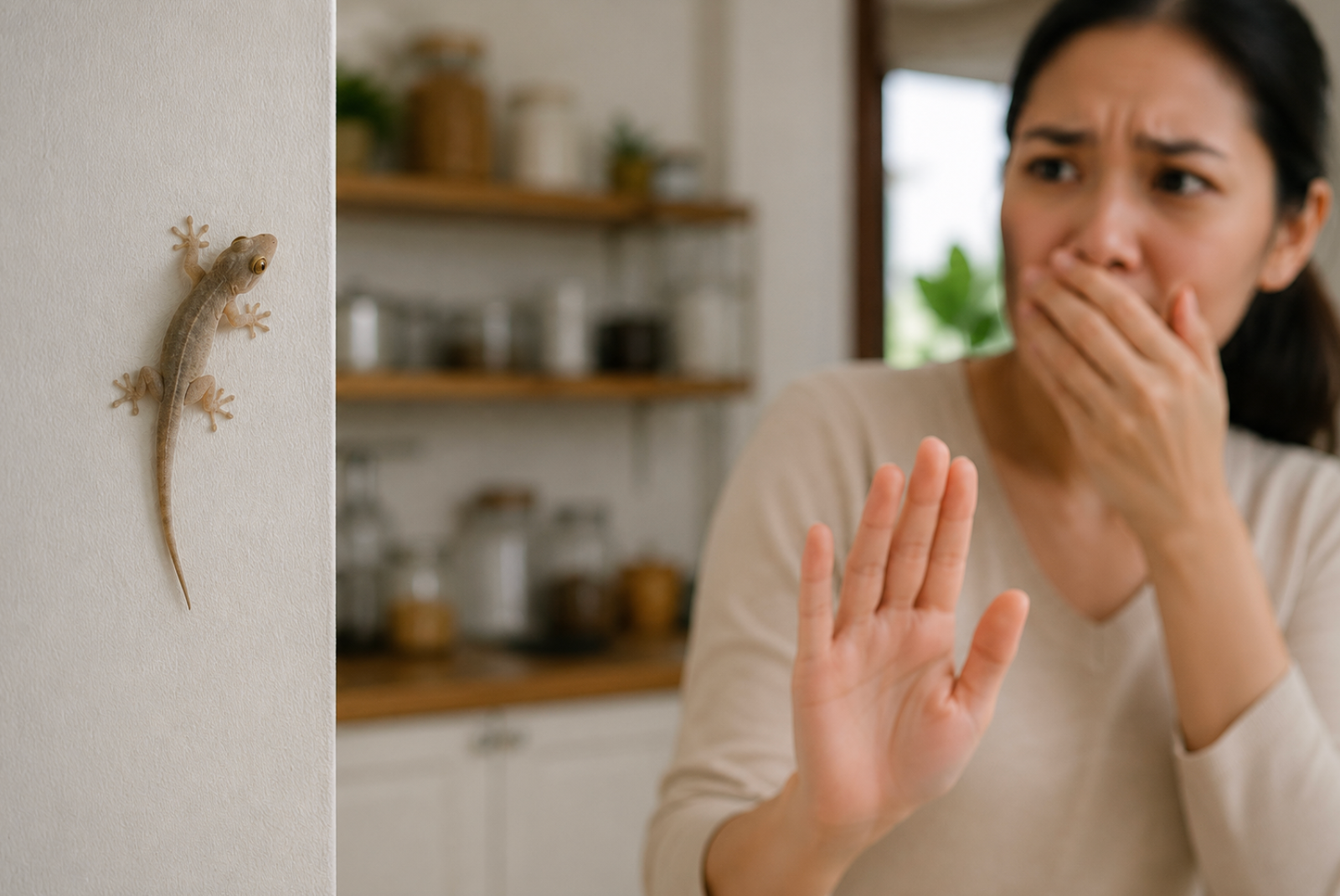
Searches for "are lizards dangerous" usually start after a long night staring at a gecko on the wall, wondering if it can make your family sick. In India, most house lizards live quietly on the ceiling, but the mix of droppings, food, and kids running around raises fair questions about safety.
The short answer: most house lizards are not aggressive, but they can still bring lizard health risks into your kitchen and bedroom if you ignore hygiene and let their numbers grow. Once you understand those risks, controlling them becomes less scary and far more practical.
Are Lizards Dangerous To Humans Or Just Annoying?
Common Indian house lizards, like geckos, rarely bite humans and usually run away long before you get close. For most healthy adults, the bigger worry is not a direct attack but silent exposure to germs and allergens in their droppings.
People with asthma, small children, pregnant women, and older family members are more sensitive to lizard diseases because their immune systems are either still developing or already under strain. The lizard itself may look harmless, but its waste and shed skin can still cause trouble over time — the same reason safe lizard control for children, pets and elderly family members matters more in these households.
Key Lizard Health Risks Inside Indian Homes
The first and most common problem is contamination of food preparation areas and utensils, a serious lizard health risks issue in small kitchens where storage space is tight. Droppings that fall on open vessels, plates on drying racks, or uncovered leftovers can introduce bacteria and trigger stomach infections.
Another less obvious problem is allergic reaction to dried droppings and skin flakes, which can turn into fine dust. When this dust gets stirred by the fan or broom, it can worsen cough, sneezing, and breathing problems in sensitive people.
How Lizards Spread Germs And Diseases
Reptiles naturally carry bacteria in their gut, and lizard diseases linked to contamination usually start with droppings on shelves, countertops, or inside cabinets. If that surface later touches food or your hands during cooking, infection becomes far more likely, especially when you skip proper washing.
Droppings on curtains, electrical switchboards, or near sinks can also enter the air as dry particles. In homes with poor ventilation, this dust hangs around longer and raises the risk of recurring respiratory irritation.
Salmonella From Lizards: How Real Is The Risk?
Salmonella lizards have been documented in reptile-keeping households, and the same bacteria can exist in common species that sneak indoors. The infection typically spreads when you touch contaminated surfaces and then eat without washing your hands, or when children crawl and play where droppings have fallen.
Symptoms usually include loose motions, stomach cramps, mild fever, and general weakness that may last a few days. For healthy adults, it is uncomfortable but manageable, but infants, seniors, and people with diabetes or other chronic illness may need quick medical help.
Not sure what's causing the problem? Get a professional inspection before you decide on treatment.
Book Free Inspection Call NowHouse Lizards Vs Pet Reptiles: Which Is Riskier?
House lizards that live on walls and ceilings usually have limited contact with humans, which slightly reduces reptile contamination risk compared to pet reptiles that are handled often. The real danger appears when food, water, and frequently touched objects are not protected from droppings and urine.
Pet reptiles often require stricter hygiene because owners touch them, clean their tanks, and sometimes allow them on furniture. In contrast, house lizards tend to stay higher up but still contaminate storage shelves, cupboards, and window ledges once their population increases.
Spotting Lizard Droppings And Contaminated Areas
Lizard droppings are small, dark pellets with a white tip and are often found on window sills, corners of shelves, and behind wall clocks, clear signs of gecko safety concerns near food or prayer spaces. You may also notice faint stains or streaks on walls and tiles where lizards regularly rest or move.
Pay special attention to tall cupboards in the kitchen, false ceilings, and tube light fixtures. These are favourite resting spots, and droppings from here often fall directly into open vessels or on countertops left uncleaned overnight.
Practical Lizard Prevention Steps For Indian Homes
Start with simple physical barriers and cleaning habits that reduce lizard prevention problems long before they turn into an infestation. Close gaps around windows, repair broken mesh on ventilators, and seal small holes around pipes in kitchens and bathrooms where lizards and insects slip in easily — our guide to natural lizard control for kitchens and bathrooms walks through this step by step.
Wipe kitchen counters every night, store grains and snacks in airtight containers, and avoid leaving fruits in open plates. Once the easy food is gone and hiding spots reduce, lizards lose interest and move towards more comfortable spaces.
Safe Cleaning And Disinfection After Lizard Visits
Always clean droppings with gloves, tissue, and a disinfectant solution instead of dry sweeping, which spreads reptile contamination dust into the air. Soak the area for a few minutes, wipe carefully, and discard tissues in a closed bin, then wash your hands thoroughly with soap.
Wash any exposed utensils or chopping boards with hot water and detergent. For families with infants or elderly parents, disinfect frequently touched surfaces like switches and door handles twice a week during peak lizard season.
When Should You Call Professional Pest Control?
If you are seeing multiple lizards every evening in the same room, it usually means a strong insect population nearby and an underlying pest control gap. Spraying more insecticide on your own might kill a few insects but rarely solves the moisture, light, or entry point issues that attract them — our complete guide to lizard control covers what a full inspection should include.
Professional teams can inspect cracks, damp corners, and outside vegetation, then target the insects lizards feed on. Once their food chain breaks, lizards naturally reduce without you having to attack them directly.
Ready to get this sorted? Ask us about a structured, documented treatment plan.
Book Free Inspection WhatsApp UsCommon Myths About Lizards In Indian Homes
Many families believe house lizards "drink" milk or directly spread deadly poison, which distracts from real lizard removal strategies like blocking entry and cutting off food — we bust these and other common lizard myths in detail elsewhere. In truth, they are shy and far more interested in insects than in people sleeping under the fan.
Another common myth is that more lizards always mean fewer mosquitoes. While they do eat insects, they cannot keep up with heavy breeding in stagnant water, so you still need proper mosquito control to protect your family.
Are Lizards Dangerous To Touch?
Touching a lizard briefly is unlikely to cause instant illness, but bacteria on its skin and feet can still carry lizard diseases risk if you eat or rub your eyes without washing. Children who try to catch lizards out of curiosity should be taught to wash their hands with soap immediately afterward.
If a lizard falls on you, treat it the same way as contact with any stray animal: clean the area, change clothes if needed, and watch for any unusual skin reaction.
How To Make Your Kitchen Less Attractive To Lizards
Start by fixing leaky taps and wiping away standing water under the sink, as this cuts insect breeding and future lizard health risks in food zones. Then, keep spice jars and oil bottles clean from sticky spills, which often draw ants, flies, and the insects lizards love to eat.
Use fine mesh on exhaust fans and small ventilator windows near the cooking area. Close the kitchen door at night so that lizards from balconies and stairwells cannot easily wander in after dark.
Do Lizards Spread Disease Through Drinking Water?
If lizards poop on uncovered water containers, there is a clear lizard health risks concern, especially in homes that still store water in wide buckets or open pots. Always keep drinking water in closed bottles or cans, and cover larger storage vessels with tight lids or clean cloth.
If you suspect droppings have fallen into water, do not try to filter and reuse it. Discard it, wash the container with detergent, and refill with clean, treated water.
How To Keep Lizard Numbers Under Control Long Term
Think of long-term control as a mix of simple habits rather than one strong chemical treatment, a more sustainable pest control approach for homes with kids and pets. Regularly declutter storage shelves, move heavy furniture once in a while, and keep balcony lights limited to reduce insects at night — the same principle behind why lizards enter homes in the first place.
Herbal sprays, naphthalene balls in unused cupboards, and egg shells on window sills may offer minor relief but rarely work alone. Consistent cleanliness, sealed entry points, and reduced insect activity make a much bigger difference over a few weeks.
Frequently Asked Questions
Are house lizards actually dangerous to humans?
Not directly. Common Indian house lizards rarely bite and usually run away. The real risk is silent exposure to germs and allergens in their droppings, which matters most for asthma sufferers, small children, pregnant women, and older family members.
Can lizard droppings make you sick?
Yes. Droppings on open vessels, drying racks, or uncovered leftovers can introduce bacteria and trigger stomach infections, and dried droppings and skin flakes can turn into dust that worsens cough, sneezing, and breathing problems in sensitive people.
Can lizards give you salmonella?
Salmonella has been documented in reptile-keeping households and can exist in common house lizard species too. It spreads through touching contaminated surfaces and then eating without washing hands, causing loose motions, stomach cramps, mild fever, and weakness for a few days.
Are house lizards riskier than pet reptiles?
House lizards have less direct contact with humans than handled pet reptiles, so the main risk comes from unprotected food, water, and frequently touched surfaces rather than the lizard itself.
How do I safely clean up lizard droppings?
Use gloves, tissue, and a disinfectant solution instead of dry sweeping, which spreads dust into the air. Soak the area, wipe carefully, discard tissues in a closed bin, then wash your hands thoroughly with soap.
When should I call a pest control professional for lizards?
If you're seeing multiple lizards every evening in the same room, it usually points to a strong nearby insect population. A professional can inspect cracks, damp corners, and outside vegetation to target that insect food source directly.
Conclusion
House lizards in Indian homes are mostly shy insect hunters, but ignoring their droppings, stains, and hiding spots can still create health problems, especially for vulnerable family members. Understanding the real answer to "are lizards dangerous" helps you focus on hygiene, prevention, and calm, steady control.
If lizards and other pests have already taken over your walls and cupboards, a quick visit from Standard Pest Control can restore comfort and safety before small issues turn bigger. Act early, protect your family, and turn your home back into a space where uninvited reptiles do not feel welcome.
Related reading: 10 Common Myths About Lizards You Should Stop Believing | Best Ways to Keep Lizards Out of Kitchens and Bathrooms Naturally | Why Lizards Enter Your Home and 12 Proven Ways to Keep Them Away | Safe Lizard Control for Homes with Children, Pets & Elderly Family Members | Complete Guide to Lizard Control in Bangalore: Safe & Effective Solutions for Every Home